
Film set design plays a powerful role in visual storytelling, shaping audience perception and enhancing character development through thoughtful details. Among the most underrated yet powerful tools in a designer’s arsenal are plants and greenery—adding life, mood, and symbolism to every scene.
This guide explores how plants influence film set design and how professionals can master their use to enhance mood and storytelling. Stick with us till the end; the last insight is truly revealing!
Table of Contents

What is Film Set Design?
Film set design refers to the process of creating the physical environment in which film scenes are shot. It involves developing visual backdrops that complement the narrative, atmosphere, and characters in a film. Professionals carefully craft every detail to support the director’s vision and the emotional tone of the story.
The process involves choosing colors, materials, props, backgrounds, and architectural features. Every decision in this design process aims to draw viewers deeper into the world on screen. Visually cohesive sets give films a believable and immersive context that aligns with story arcs.
Film set design falls under the broader field of production design, which includes responsibility for the entire visual landscape of a film. While set design zeroes in on physical spaces, production designers oversee the total concept from wardrobe to effects. They work collaboratively to build a unified look.
Art direction plays a critical role under the production designer, executing design choices on-site during filming. Art directors coordinate materials, set building crews, and address the practical realities of the design. Together, these roles ensure creative visions become functional sets.
Key Differences: Set Design vs. Production Design vs. Art Direction
Set design specifically focuses on the architecture, furniture, props, and layout where actors perform. It includes sourcing or fabricating physical elements to bring scenes to life. Set designers constantly balance visual goals with technical and spatial requirements.
Production design encompasses a broader spectrum, including costume, location selection, and overall tone. Art directors turn the visionary plans of production designers and set designers into feasible, camera-ready environments. Their key duty is coordination and detail execution.
Importance of Film Set Design in Storytelling

Set design helps communicate a film’s emotional texture by shaping the look and feel of the scenes. The visual language of a space often says more than dialogue, revealing character habits, social status, mental state, and the passage of time. For example, overgrown plants or curated gardens deeply affect mood and symbolism.
Color palettes, lighting levels, and material choices enhance continuity. A bright set may evoke freshness or naivety, while a dark, industrial space underlines conflict or danger. Adding real or faux greenery adds layers of meaning, such as growth, decay, or tranquility.
How Set Design Reinforces Story and Character
Smart set design supports a character’s arc by reflecting personal evolution or psychological states. As characters change, the setting may slowly shift—adding new decorative plants or changing lighting arrangements, for instance. A cluttered space may slowly become sparse, communicating mental clarity or decline.
Props like planters and vines can subtly record time progression or seasonality, grounding the narrative. For instance, dried foliage might reflect emotional stagnation, while blooming flora could imply transformation or romance.
Visual Symbolism and Metaphors in Set Design
Plants can serve as storytelling devices through visual metaphor. A wilting plant in the background may subtly suggest the deterioration of relationships or morale. A thriving indoor jungle can imply chaos or the overpowering presence of nature in human life.
Set designers often incorporate symbolism through placement. Hanging or creeping vines may suggest entrapment. Potted succulents placed near a character emphasize stoicism or survival. Small narrative tools like these enrich the viewing experience on a subconscious level.
Emotional Impact on Audience
The emotional connection between the viewer and the film often stems from how relatable or evocative a space feels. Plant-rich sets offer familiarity, comfort, distress, or surrealism depending on how they are styled. Greenery stimulates natural associations and makes scenes more immersive.
Even small details—like a leaf swaying in a draughty corridor—can deepen atmospheric tension or lift a scene’s serenity. Set designers use these tools to affect pacing and emotional triggers indirectly.
Elements of Successful Film Set Design

Creating a successful set involves blending visual storytelling with practical construction. It begins with spatial layout, ensuring actors can move naturally and camera setups are unhindered. Then comes texture, color, light, and background elements like furniture and greenery.
Color theory guides palette decisions. A harmonious palette supports tone while dissonant hues may provoke tension. Textures such as stone, fabric, and wood add layers of realism and detail that ground the set in tactile believability.
Lighting plays an interactive role with all elements. It can emphasize or hide details, cast shadows, and affect how foliage looks on camera. Working with other departments to ensure cohesion is vital.
Using Greenery to Add Natural Contrast and Depth
Adding plants breaks the monotony of hard lines and sterile settings. Green elements soften brutalist structures, bridge the gap between character and location, and offer contrast in monochrome settings. Designers often place greenery to inject life without overwhelming a scene.
Certain plants direct visual focus naturally. Wide-leaf species like Monstera or tall vertical plants like bamboo draw attention to specific spaces. Strategic placement supports positional storytelling, such as highlighting a character’s solitary presence amid sprawling nature.
The Power of Plants in Film Set Design

Greenery breathes authenticity into sets, whether you’re building a sci-fi world or suburban living room. It can imply peace, rebellion, containment, or elegance depending on the set tone. These organic elements add dimensions that man-made props can’t replicate.
Set designers carefully select plant types to suit the setting’s time period, character style, or narrative job. A cactus fascist dystopia, for example, differs dramatically from a lush romantic villa in Italy. The wrong plant can break suspension of disbelief.
Practical Tips for Selecting and Positioning Plants
When choosing greenery, designers must consider lighting, camera movement, and story relevance. Tall plants or hanging vines can work as framing devices, while smaller potted plants offer detail without distraction. Always factor in maintenance—artificial plants may be better when realism isn’t crucial.
Use large planters to anchor open spaces or define visual hierarchy. Groupings of different specie types can simulate natural environments. Designers should also pay attention to leaf movement, especially on windy outdoor sets or sound-sensitive indoor ones.
Choosing the Right Planters for Scene Integrity
Planter selection is just as important as plant choice. Fiberglass planters, for instance, are favored because they are light, durable, and easy to reposition. These traits make them ideal for dynamic sets and scenes requiring repositioning between takes.
With a variety of finishes available—from matte alabaster to metallic titanium—these planters blend into futuristic, classical, or minimalist scenes. For fast-paced shooting days, fiberglass planters prevent downtime while still offering elegance and function.
Case Studies: Iconic Films Featuring Memorable Plant Use
In Her, greenery and clean design reflect the protagonist’s emotional journey. Planters and potted ferns blend with soft colors to create a near-future world just optimistic enough. These design choices amplify the film’s human-technology themes.
Blade Runner 2049 flips this concept. Here, nature is sparse and controlled. Strategic plant placements—often artificial—comment on lost environmental harmony. Planters enhance this visual control and cold atmosphere effectively.
Interpreting Scripts into Visual Designs

Set designers are responsible for transforming scripts into visual environments that align with team vision. Their work begins in pre-production and continues all the way through post-production. They read scripts, design floor plans, build mood boards, and oversee set assembly onsite.
These professionals must balance storytelling needs with production logistics, collaborating with directors, cinematographers, and lighting technicians. Their job demands input during both concept creation and execution stages.
Managing Plant and Prop Logistics On Set
When working with greenery, set designers must plan for upkeep and continuity. They coordinate with prop masters and decorators to ensure both artificial and live plants remain camera-ready. Placement is tested under various lights and lens angles.
Fiberglass planters often make this task easier. As lightweight and damage-resistant containers, they’re ideal for fast-paced shoots. Coordinating planter styles with character traits or time periods keeps visual language intact without maxing out budgets.
Career Pathway in Film Set Design
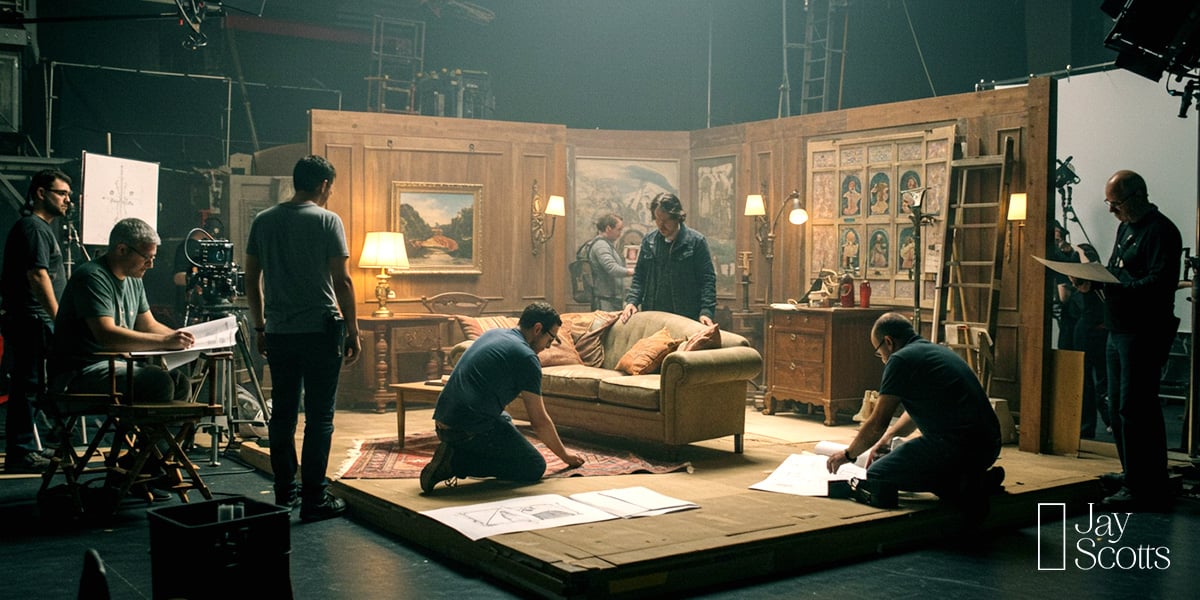
Working in film set design typically starts with education in theater, architecture, or visual arts. Many professionals also develop styling intuition through practical placements or assisting senior designers. Drafting skills and software proficiency are valued assets.
Success also requires soft skills—managing teams, clear communication with directors, and adjusting plans on set. Creating mockups and building a strong professional network fast-tracks career growth.
Including Plant-Rich Sets in Your Design Portfolio
Highlighting set projects with significant greenery use demonstrates technical and narrative range. It shows how effectively you can integrate biophilic elements into complex visual storytelling. Varying projects also indicate a flexible styling mindset.
Using high-quality fiberglass planters in your portfolio supports this by representing professionalism and durability. These designs are customizable and can align with various eras, themes, or genres, making your presentation more versatile.
Insights from Industry Experts and Experienced Designers
Leading professionals consistently emphasize the importance of form-function balance in set design. High-impact visuals must not interfere with motion blocks or timelines. Efficient tool choices like lightweight planters are often recommended during production interviews.
Experts suggest starting with a clear narrative anchor before designing the set. Every prop or plant should reference this anchor, making creative choices appear seamless instead of arbitrary. This process dramatically improves cohesion and emotional effect.
Frequently Asked Questions about Film Set Design
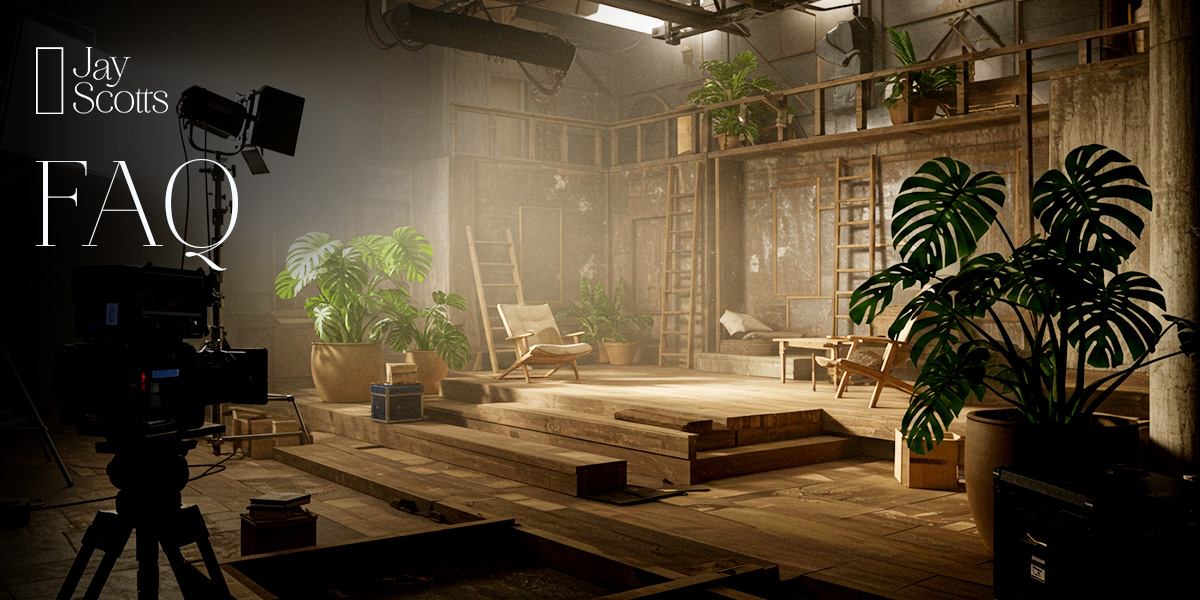
Those entering the field often ask what credentials are needed. While graduates from visual or performing arts are at an advantage, career entry doesn’t strictly require formal education. Skills are weighted heavily, especially in portfolios.
The timeline for designing a set varies depending on the movie genre, size, and complexity. Tight timelines mean efficient decor strategies—including the use of real or faux greenery options—are critical to success.
Are Real Plants Better Than Faux Ones on Set?
Real plants display better movement and depth under lights. However, artificial plants offer consistency and need no maintenance. Scenes requiring many takes or long shooting schedules often benefit from faux items mixed with real elements for balance.
Planters play a valuable role in this hybrid application. They conceal plant bases and irrigation setups, while adding sculptural beauty. For long shoots, fiberglass planters make switching plant types easier without changing visible designs.
Getting Started With Your First Film Set Design Project

Pre-production planning includes reviewing scripts, sketching designs, and testing layout ideas. Designers must then gather and rent furniture, props, and plants according to both vision and budget. Knowing suppliers who offer multipurpose items saves time.
Fiberglass planters are a smart first choice for new designers due to their ease of use. They’re re-rentable, lightweight, and available in multiple sizes and finishes, making them a versatile visual helper that supports various aesthetics.
Sourcing and Renting Plants and Planters for Your Set
Explore rental options that serve long shoots with low-maintenance solutions. Some providers offer creative collaborations for unique shapes or colors. Match planter selection with character energy—bold colors for eccentric interiors or muted tones for emotional drama.
Common Mistakes and How to Avoid Them
Overcrowding with props is a frequent error. It confuses the audience and detracts from focal plant elements. Always test camera framing to see if each element earns its space and emotional purpose.
Neglecting light interaction can also break realism. Ensure both plant materials and containers react naturally under production lights to preserve immersion.
Best Practices: Staying Organized and Effective Time Management
Use detailed checklists for each scene, noting plant placement, type, and condition. Track planter inventory and position within a set map. Maintain color correction logs across scenes to ensure aesthetic continuity.
Work closely with set decorators, camera teams, and continuity editors. Pre-planning even small items like planter bases reduces reaction time and improves overall production quality.
Trends Influencing the Future of Film Set Design

As virtual sets grow more accessible, traditional set design must evolve to keep pace. Designers use 3D and CGI tools to pre-visualize sets including plant and planter positions before physical builds begin. This improves accuracy and creative freedom.
Sustainability now plays a major role. Eco-friendly set materials, recyclable props, and long-term assets like fiberglass planters reduce waste and costs. This approach aligns with industry commitments to green production practices.
Use of Recyclable and Long-Lasting Props Like Fiberglass Planters
Studios are adopting durable materials to reduce financial and environmental costs. Fiberglass planters are ideal because they last across multiple uses, resist damage, and support all plant types. Their aesthetic flexibility suits any genre or set period.
As demand grows for conscious design elements, container props are becoming more than background objects. They’re tools that support narrative direction, color coordination, and timeless visual storytelling.
Our Unique Approach to Film Set Design

At Jay Scotts, we supply industry professionals with high-quality fiberglass planters that support the narrative and visual direction of any production. Our focus is on understanding your project needs to enhance the storytelling process while maintaining set safety and efficiency.
From modern landscapes to vintage interiors, our products consistently integrate into top-tier film aesthetics. Designers trust our quality, reliability, and trade partnerships to meet rigorous technical and creative standards.
Leveraging Fiberglass Planters to Tell Stories Through Space
Our planters are more than containers—they enhance visual identity. With over 20 finishes and many shapes, our catalog ensures compatibility with a wide variety of genres and film tones. Whether your scene spans futuristic biotech labs or lush Milanese balconies, we provide fitting solutions.
The durability and design of these planters allow directors and design crews to place trust in their form and function. From storytelling harmony to logistical ease, Jay Scotts products set the standard for excellence on film sets.
