Knowing how to properly water your indoor palm plant is key to keeping it healthy, green, and thriving indoors. Whether you’re a new plant parent or an experienced grower, getting the watering schedule right can make all the difference. This guide shares expert knowledge that’s often missed in basic care tutorials.
Table of Contents
Understanding the Water Needs of Indoor Palm Plants
Indoor palm plants have specific water needs that differ from many other houseplants. Unlike succulents or tropical vines, most palms prefer consistently moist-but-not-soggy soil. The right watering routine can mimic the palm’s native climate, helping it thrive in your indoor space. Too much water can be just as harmful as too little.
Over time, poor watering habits can cause the roots to rot or the leaves to yellow and die. Being attentive to when and how you water makes a major difference in your plant’s health. Understanding the watering needs begins with identifying the species of your palm.
While some, like the Parlor Palm, are more forgiving, others, like Kentia Palms, require a balanced approach to hydration. Learning these needs will help in creating a solid care routine. Watering should also be guided by the palm’s size and age. Younger palms may need water more frequently than mature ones as their root systems are smaller and less developed. Understanding these subtle factors goes a long way in your care efforts.
Why Watering Indoor Palm Plants Correctly Matters
A well-hydrated palm plant grows faster, shows lusher foliage, and resists disease better. When watered properly, palms can adapt more easily to indoor spaces and continue producing vibrant green fronds.
This improves both beauty and air quality. Incorrect watering, on the other hand, causes stress and opens the door to pests like spider mites and fungus gnats. Ensuring consistent care through proper watering is the first line of defense against most indoor plant problems.
Common Mistakes in Watering Indoor Palms
The most frequent mistake is overwatering, which drowns the roots and leads to fungal growth. Using pots without proper drainage holes also contributes to this problem.
It’s essential to pick the right pot and avoid leaving water sitting in saucers. Another common issue is sticking to a rigid watering schedule without checking soil moisture. Environmental conditions frequently change indoors, making it important to observe your palm’s actual needs instead of following a routine blindly.
Signs of Improper Watering (Overwatering vs. Underwatering)
Signs of overwatering include yellowing leaves, soft stems, and a foul smell from the soil, indicating root rot. In contrast, an underwatered palm will have crispy, browning leaf tips and dry, compacted soil. The plant may also droop when very dry. Monitoring these signs helps quickly correct errors before long-term damage sets in. Paying attention to the soil and leaf condition ensures you meet the plant’s true hydration needs.
Determining the Correct Watering Frequency
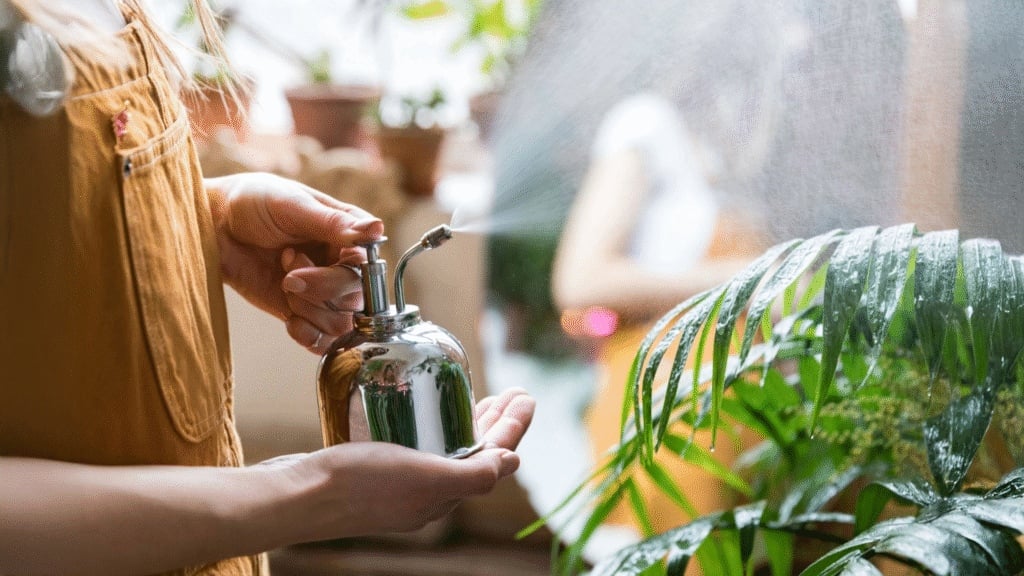
Watering frequency depends on a range of factors that vary from one environment and plant to another. It’s never a one-size-fits-all situation. Temperature, humidity, light exposure, and even seasonal shifts affect how often your palm needs water. Instead of guessing, use a method that allows you to adapt your watering schedule based on those conditions.
Testing moisture levels before watering helps avoid both under and overwatering. More is not always better when it comes to palms. The species of palm has a major impact. Some types tolerate drought, while others suffer quickly when soil dries out. Environmental elements such as the type of pot, soil quality, and airflow directly influence water retention around the root zone.
Larger or older palms often need less frequent watering because they have stronger root systems and use stored moisture more efficiently. However, very large planters can also hold more water and delay the drying process, requiring that you check carefully before watering again.
Factors Influencing Watering Schedule
Several factors should guide your watering timeline:
- Species: Different types have different tolerance levels for drought.
- Pot size and type: Larger pots hold more water, while terra cotta pots drain quicker than plastic ones.
- Age and size of plant: Mature plants tend to need less frequent watering.
- Environment: Humid areas slow evaporation, reducing watering needs.
Mediums used for potting also affect outcomes. Heavy, dense soil retains water for longer periods, possibly resulting in waterlogged roots. Lighter, well-draining mixes are more forgiving and promote root health.
Recommended Watering Schedule by Palm Type
Based on species, general guidelines are as follows:
- Areca Palms: Water every 5–7 days during active growth; reduce in winter.
- Parlor Palms: Every 7–10 days is typically sufficient.
- Kentia Palms: Allow top 2–3 inches of soil to dry before watering, usually every 10–14 days.
These are starting points and should be adjusted according to the specific conditions in your space. Always check soil dampness before each watering session to stay in tune with your palm’s actual needs.
What are the Best Practices for Watering Indoor Palm Plants?
According to Carrington Lawn, consistency is vital when watering palms. Aim to match your water application to the rate that the soil dries out. It’s better to water deeply and less often than lightly every day, which can result in uneven moisture. Always use room-temperature water and make sure to empty any excess from containers or trays.
Palms don’t enjoy sitting in stagnant water. Clear your schedule for a regular check-in, especially when seasons change. Avoid watering at the base of the trunk only. Rotate your watering method for full soil saturation. Similarly, water evenly across the pot to encourage roots to spread out evenly.
Letting the soil reach about 50% dryness helps maintain health without causing stress. If you’re unsure, testing soil moisture using reliable methods will guide your timing better than a calendar.
Step-by-Step Guide to Properly Watering Your Palm Plant
Follow these steps:
- Check top 1–2 inches of soil for dryness.
- If dry, use filtered or room-temperature distilled water.
- Slowly pour until you see excess come through drainage holes.
- Empty any remaining water in saucers within 15 minutes.
Filtered or distilled water is best, especially in areas with high salt content in tap water. Salinity can affect palm roots over time. Rainwater can also be an excellent natural option. This practice aligns with watering tips for healthier foliage.
Testing Soil Moisture Levels Accurately
The most common method is the finger test: Insert your finger about 2 inches into the soil. If it’s dry at that level, it’s time to water. If it feels cool or damp, wait a few more days. Moisture meters are also an option. They provide quick readings, but some may be inaccurate over time. If you use one, consider checking it against the finger method occasionally to ensure accuracy.
Optimal Soil and Potting Conditions for Indoor Palms
Your palm’s soil and pot affect more than just watering – it impacts root health and nutrient absorption. Well-draining soil is critical, as compact or heavy mixes can hold water and promote root rot.
Consider adding perlite or sand to improve aeration. The pot itself should complement watering needs. Shallow, wide planters dry faster, while deep pots may retain water longer. It’s important to understand these differences during watering decisions. Drainage holes are non-negotiable.
They allow excess water to escape and prevent oversaturation. If your current pot lacks proper drainage, repotting is essential to your palm’s survival. Avoid letting your plant sit directly in a sealed decorative planter – use liner pots inside for better airflow and flexibility. This allows for healthy root oxygenation, a key part of water management.
Why are Fiberglass Planters the Best Choice?
Fiberglass planters offer a superior balance of durability and design, making them perfect for palm plants. Their lightweight construction allows for easier movement and better root protection. They’re particularly ideal for large palms where other materials could be too heavy indoors.
Jay Scotts’ premium fiberglass options provide insulation against temperature swings and come in customizable colors to match any space. These planters offer better longevity, reduced need for repotting, and excellent drainage options – important for managing palm watering with precision.
Dealing with Water-Related Issues in Indoor Palms
Water-related problems often show up slowly but can have lasting effects. Caught early, even serious issues like root rot can be reversed. Regular inspection is your best defense. Dealing with a struggling palm involves more than just adjusting the water – it often means changing the soil, pot, or environment. Knowing what to look for helps create a successful recovery plan for your plant.
Symptoms and Solutions for Over-watering Your Palm Plant
Over-watered palms show signs like soggy soil, yellowing leaves, and moldy smells. These signs point to root suffocation. Immediate action is needed to preserve the plant’s life.To fix it, remove the palm from its pot, cut off mushy roots, and re-pot in fresh, dry soil. Only water again once 2–3 inches of soil have dried. For more on root treatment, you can read these root rot management techniques.
Symptoms and Solutions for Under-watering Your Palm Plant
Signs include droopy fronds, browning edges, or wilting. If the soil is dry several inches deep, you’ve waited too long. Move the plant away from heat sources and increase your attention to water levels. Rehydrating slowly is key. Don’t flood the plant all at once—try small doses every few hours. Going forward, use regular monitoring to avoid extended dry spells.
How does Palm Plant Watering Impact the Environment?

Indoor palms help purify indoor air, but excessive water waste can offset eco benefits. Thoughtful watering reduces water usage and saves on household energy (especially when water is heated or softened). Using rainwater is an excellent environmentally friendly alternative. Monitoring humidity also plays a role. Palms perform better with 40%–60% humidity. Using a room humidifier or grouping plants together raises moisture without needing excess watering.
Adjusting Watering Routines for Seasonal Changes
During summer, palms grow faster and need more frequent watering. Check soil moisture every 3–4 days in warm months. Be on alert for evaporation increasing in rooms near windows or vents. In winter, indoor humidity drops and growth slows down. Water less often -every 10–14 days may suffice – allowing soil to dry thoroughly before watering again. Be careful not to confuse dry air with dry soil.
Frequently Asked Questions About Watering Indoor Palm Plants

Can You Use Tap Water to Water Palm Plants?
Yes, but only if your local water is low in salts and chlorine. Otherwise, use filtered or distilled water. High-salinity water can damage roots over time, especially for sensitive palms like Areca.
How Often Should I Mist My Indoor Palm?
Misting is optional but helpful in dry seasons. Mist once or twice a week using purified water for best results. Avoid misting when the air is already humid or if temperatures are cold.
What Time of Day is Best for Watering Indoor Palms?
Morning is the best time to water. This allows moisture to be absorbed early, reducing the risk of fungal growth. Avoid watering late at night when water sits in the cold soil for hours.
Why Does My Indoor Palm Have Brown Tips Despite Watering Properly?
Brown tips can be caused by low humidity, salt buildup, or even over-fertilizing. Test your water quality and reduce fertilizers. Place a humidifier nearby for better foliage appearance. For more care support, explore our guide on pruning palm foliage properly.
Bonus Tips for Thriving, Lush Indoor Palms
Besides watering, feeding and proper lighting affect palm growth. Use a diluted balanced liquid fertilizer every 4–6 weeks during spring and summer. Avoid fertilizing in winter when palms naturally slow growth. Light position makes a difference. Place palms near a window with filtered sun or under grow lights. Do not expose them to harsh sunlight directly – it causes leaf burn quickly.
Regular Maintenance for Healthier Palm Plants
Trim away dead or browning fronds using sanitized scissors. This redirects energy to new growth. Don’t cut too close to the trunk as it may damage growing tissue. Dust leaves monthly using a soft damp cloth to help the plant breathe better and absorb more light. This care step also gives you a chance to inspect for pests or stress signs early.
Our Unique Approach

Why Trust Our Expertise With Indoor Palm Plant Care?
Our care methods are developed based on years of experience, data, and botanical research. We offer tested solutions that apply across species. Every recommendation is aimed at achieving optimal indoor palm health.
How Our Tailored Watering Strategies Set You Up For Success
We focus on real-life success, offering personalized care plans based on palm species, home conditions, and planter systems. Our tips aren’t just theory – they’re proven results from both commercial and personal use cases. Whether you care for one palm or manage dozens in a public or hospitality space, our strategies scale with your needs. With useful tools, reminders, and support, Jay Scott’s help you grow indoor palms with confidence.