Landscape architecture design shapes more than just outdoor spaces—it brings together environment, structure, and purpose to create meaningful experiences. Whether for residential gardens or expansive urban developments, the process combines both art and science to enhance natural and built environments.
This guide explores essential ideas, expert practices, and real examples to help you appreciate the full scope of landscape architecture design. Stick with us till the end; the last insight is truly revealing!
Table of Contents
What is Land scape Architecture Design?

Landscape architecture design involves planning, designing, and managing outdoor spaces such as parks, gardens, campuses, and urban plazas. Its purpose is to balance nature and human needs through organized layouts, sustainable plantings, and functional site features.
Unlike basic landscaping, landscape architecture addresses complex factors such as environmental impact, topography, drainage, and long-term land use. It’s a professional discipline that blends aesthetics with ecological thinking and civil engineering principles.
Defining Landscape Architecture Design
Landscape architecture refers to the structured design of outdoor spaces that serve specific functions while enhancing beauty and accessibility. This approach uses both creative design thinking and technical problem-solving to accommodate diverse site conditions.
It differs from general landscaping in that it requires formal training and considers systems like stormwater control, mobility, and zoning regulations. While landscaping focuses more on installing plants and décor, landscape architecture aligns entire site infrastructure to meet long-term goals.
Importance of Landscape Architecture
Effective landscape architecture provides environmental benefits such as erosion control, clean air support, and wildlife preservation. By using green infrastructure and native species, it helps cities combat heat islands and water runoff.
Functional and aesthetic harmony adds value to properties while improving user experience. It can influence mental well-being, encourage social interaction, and support sustainable community development.
Key Differences: Landscape Architecture vs. Landscape Design
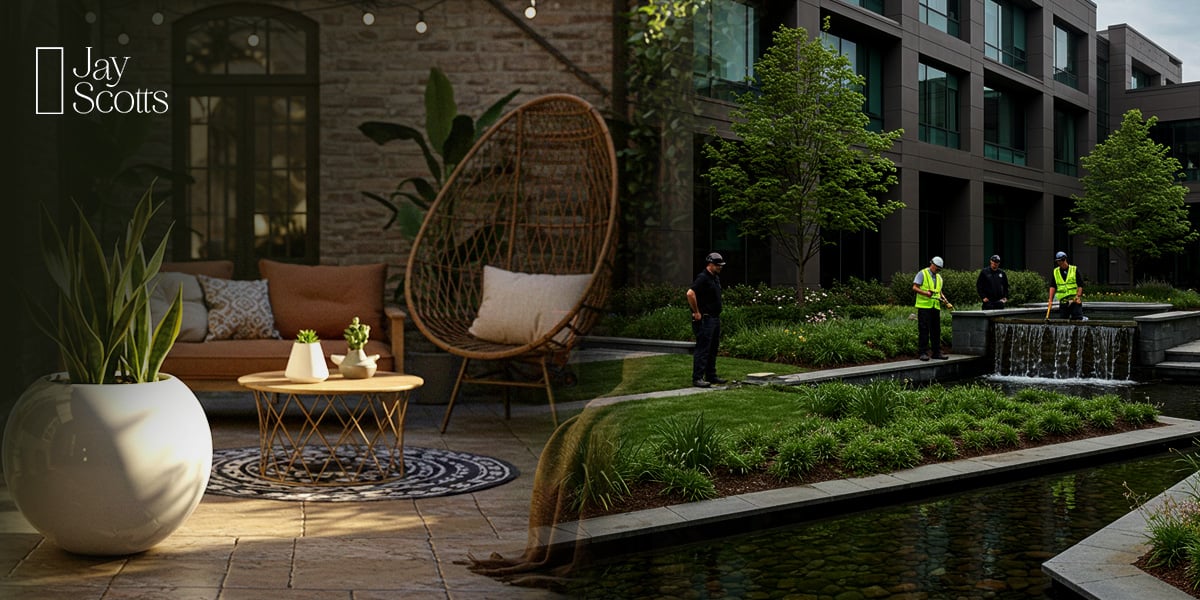
While both professions focus on outdoor spaces, they vary significantly in terms of education, scope, and methods. Each serves different types of clients and project goals, often collaborating during development.
Understanding when to hire a landscape architect versus a designer helps streamline workflow and ensures proper expertise for each landscape project.
Educational and Professional Differences
Landscape architects must hold a degree from an accredited program and pass state licensing exams to practice professionally. They also carry liability for structural and environmental decisions made on-site.
Landscape designers often study design principles but are not licensed. They specialize in aesthetic planning, plant selection, and small-scale layouts for residential or decorative purposes.
Project Scope and Scale
Landscape architects usually handle large, complex projects like urban renewal, parks, campuses, and waterfronts. Their designs often involve collaboration with architects, engineers, and environmental consultants.
Designers typically manage smaller residential gardens and décor-based projects. They’re ideal for clients who want a modest upgrade or refined curb appeal without needing complex civil planning.
Architectural Integration
Landscape architects work closely with building architects to ensure visual and functional compatibility between structures and their surrounding environments. Their involvement can impact grading, traffic patterns, and drainage strategy.
This coordination brings greater cohesion to hospitality spaces, cultural campuses, and modern commercial sites. Many professionals rely on products like custom modern planters for design continuity.
Popular Trends and Innovations in Landscape Architecture Design
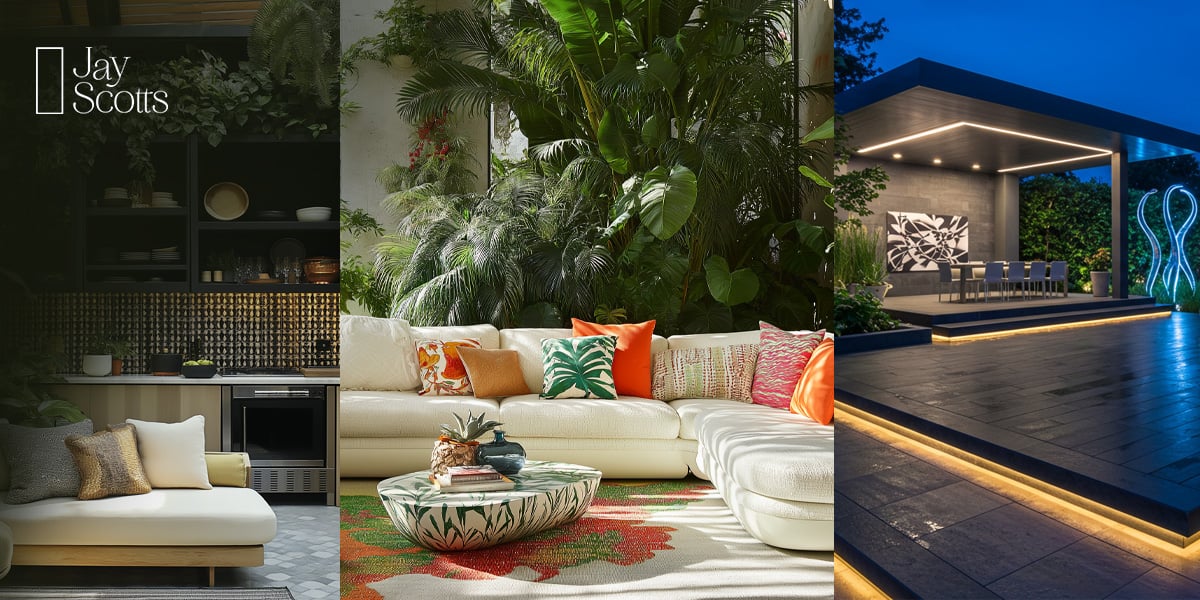
Landscape architecture is constantly evolving to meet environmental and lifestyle changes. Recent trends show a strong shift toward sustainable materials, smart features, and cleaner design aesthetics.
Projects today are combining beauty, user interaction, and technology to promote resilience and reduce environmental footprint—while staying visually compelling.
Eco-Friendly and Sustainable Landscapes
Green infrastructure is key to modern designs, often incorporating rain gardens, bioswales, green walls, and permeable paving. These elements manage stormwater and improve biodiversity.
Designers are choosing native plants and drought-tolerant species to reduce maintenance and water usage. Projects that prioritize sustainability see long-term cost savings and greater social value, as supported by this ASLA sustainable landscapes initiative.
Smart Technology in Landscape Architecture
Technological tools are guiding how landscapes respond to climate and usage patterns. Automated irrigation, lighting systems, and plant-health sensors ensure optimal performance with less manual effort.
Using data from climate-responsive apps, designers can map sun patterns, soil moisture, and seasonal change to inform layouts. This trend is creating landscapes that are self-sustaining and efficient.
Modernist and Minimalist Landscapes
Current designs often showcase clean lines, geometric forms, and open plantings. These elements create understated, elegant spaces that support relaxation and clarity.
Minimalist gardens often use specially made containers and hardscaping materials for contrast. Designers turn to suppliers offering fiberglass planters with custom finishes to elevate these clean, structured layouts.
Step-by-Step Process of Landscape Architecture Design

Each project follows a series of coordinated phases from early ideas to completed installation. A structured design process is critical to managing client goals, project risks, and quality outcomes.
This section outlines each stage, from consultations and site analysis to material selections and phased construction.
Initial Consultation & Client Collaboration
Early meetings focus on understanding both the site’s technical constraints and the client’s vision. Professionals gather data about property use, climate, regulations, access, and user behavior.
The collaboration produces initial design objectives, timelines, and must-haves. A clear scope defined from the start helps manage expectations and guides the entire project.
Site Analysis and Concept Development
This stage includes studying the environmental characteristics, grading, soil profiles, and site limits. Tools like topographic surveys and drone footage assist in making informed choices.
Concept sketches and layout options follow, offering visual ideas that shape site circulation, views, and experience points. Clients review and refine until the vision aligns.
Detailed Design and Master Planning
Once approved, designers develop comprehensive master plans, construction drawings, and technical specs. These documents include everything from plant lists to paving materials to lighting placement.
Material selection is guided by aesthetics and durability. Many pros rely on proven products like fiberglass containers for landscape durability due to their weather resistance and versatility in design.
Implementation & Project Management
Construction is done in phases, typically starting with grading and underground systems before moving to surfacing, plantings, and furniture. Managing contractors becomes critical at this stage for staying on time and budget.
Designers often stay involved to supervise quality and troubleshoot issues in real time. Regular communication ensures design accuracy and long-term integrity.
Showcase: Inspiring Examples of Landscape Architecture Design

Great landscape architecture is both art and solution-driven design. Nothing speaks louder than standout examples across residential, commercial, and mixed-style contexts.
These real-world case studies display how creativity, discipline, and expert choices can fully transform outdoor environments.
Iconic Residential Landscape Designs
Projects like the Mill Valley Residence in California or the High Desert House in Arizona showcase how home landscaping can be both functional and site-responsive. These designs focus on water conservation, visual framing, and sleek lines.
Key features include lighting integration, drought-tolerant plants, and luxury finishes. Choosing the right planter style adds that extra visual layer of sophistication without overwhelming the scene.
Commercial and Urban Landscape Examples
Landmarks like the Chicago Riverwalk and Bryant Park highlight the power of landscape design in urban renewal. These places blend open space with recreation, lighting, native species, and cultural access points.
Corporate campuses also benefit from professional landscape architecture. They offer wellness spaces and green visual breaks that boost employee satisfaction and brand presentation.
Creative Combination of Traditional and Contemporary Styles
Designers today are merging historical charm with bold modern pieces. For example, a heritage estate might receive sleek steel accents and geometric planter rows that update the feel without losing its roots.
Clients seeking this mix value flexibility. Planters with matte finishes or structural angles help bridge eras while preserving site legacy—making them a staple for transitional designs.
Common Myths and Misconceptions about Landscape Architecture Design

Several assumptions stop property owners and project managers from hiring a landscape architect. These ideas often confuse visual creativity with lack of technical input.
This section clarifies key misunderstandings and shows the value a design expert brings to any outdoor project.
Misconception about Creativity and Practicality
Some people think landscape architecture is only about plant arrangements or visuals. In reality, licensed architects focus heavily on grading plans, retaining walls, pedestrian access, and stormwater systems.
They also must follow codes and environmental laws. So their work balances beauty with precision, helping projects succeed on all technical fronts.
Thinking Small-scale Gardens Don’t Need Architects
Even compact yards can benefit from professional architecture. Expertise in drainage, sun angles, and flow can make small gardens function and feel larger than they are.
Creative layouts, multi-use areas, and custom features like built-in seating or sculptural planters can bring out the best in limited spaces.
Frequently Asked Questions (FAQs)

Does Landscape Architecture Include Exterior Building Design?
Landscape architects do not design entire buildings but often work on exterior components like terraces, courtyards, and site walls. They ensure these tie visually and functionally into the building architecture.
Strong collaboration between architects and landscape architects helps deliver unified projects with both efficient layout and beauty.
Can a Landscape Architect Work on Residential Projects?
Yes, many landscape architects work on high-end homes or estates where grading, privacy, views, and sustainability are priorities. They bring solutions that standard garden designers may overlook.
Complex homes with pools, driveways, and hillside challenges often call for a licensed professional to manage multiple systems at once.
What Should I Expect During the Design Process?
You can expect four stages: consultation, analysis, design development, and construction support. Each stage involves client input, documented approvals, and coordinated action.
A good architect will keep you involved—from idea sketches to final touches—while ensuring the project stays functional, legal, and on budget.
Choosing the Right Landscape Architecture Professional

Finding a landscape architect who aligns with your goals is key. Review their credentials, past works, and approach to collaboration before hiring.
Well-designed outdoor spaces require more than creative vision—they need expertise, consistency, and product partnerships that hold up over time.
Criteria for Selecting a Qualified Professional
Look for licensing through the American Society of Landscape Architects (ASLA), a strong portfolio, and relevant project experience. Ask whether they’ve handled projects similar in size and purpose to yours.
Trade knowledge, technical fluency, and communication are equally important. Good pros integrate logistics planning with material choices to aid construction and quick delivery.
Questions to Ask Before Hiring
Ask about their design philosophy, approach to sustainability, choice of long-lasting products, and problem-solving methods. These help reveal whether they align with your vision.
Discuss project schedules, contractor coordination, and possible partners. If large planters and hardscaping are involved, confirm they source from trusted suppliers like those offering scalable planter solutions for trade professionals.
Our Unique Approach

We combine creativity with industry insight to produce reliable, lasting landscape designs. Every solution is custom-fit, sustainable, and built around your space and goals.
From private gardens to public parks, we offer more than style—we provide ecosystems that thrive.
Personalized and Collaborative Design Process
We prioritize listening to clients and adapting the design process to each project’s vision and pace. Through ongoing meetings and digital previews, all elements come together precisely and with clarity.
Our project managers and designers work hand in hand with clients and trades to ensure every detail supports both aesthetics and function.
Integration of Sustainability and Innovation
We apply up-to-date environmental research and smart systems to each site. Whether it’s rainwater reuse or low-energy lighting, our focus stays on building responsibly with long-term value.
Our use of recyclable materials and supply chain partnerships supports LEED goals and climate resilience.
Commitment to Excellence and Quality Assurance
Every design is followed through with quality checks during installation phases. We ensure layouts are correctly interpreted and materials are used to their full potential.
Clients enjoy post-project consultation, ensuring lasting outcomes. Our follow-up helps you get the best from your landscape, year after year.