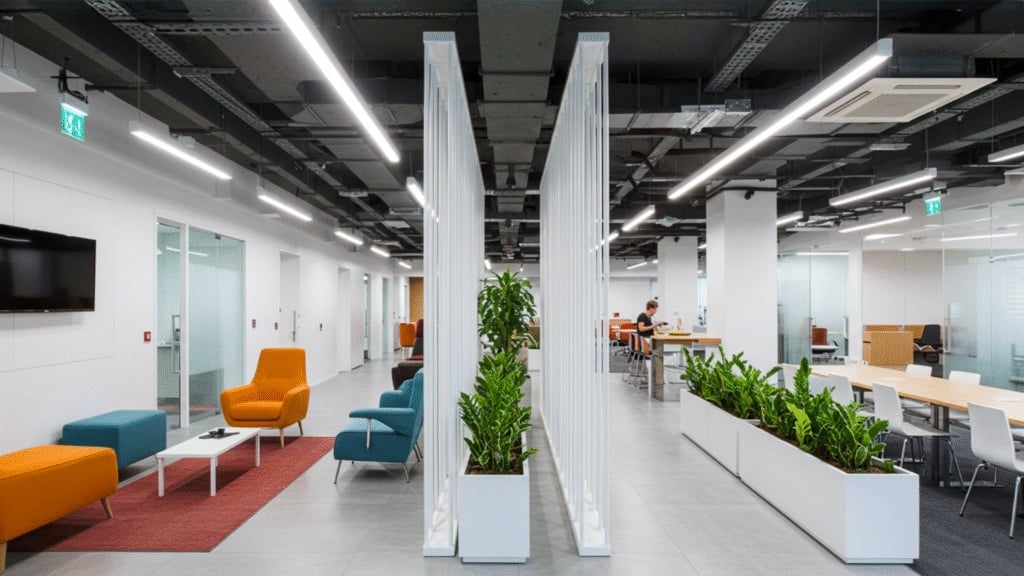
Planters for Outdoor Community Center Gardens bring life, functionality, and charm to shared outdoor areas designed for people of all ages. They create easy-to-manage garden spaces that enhance beauty, promote engagement, and support sustainability goals.
If you’re planning or managing an outdoor space for your community center, this guide will help you choose the best planter types, layouts, and maintenance strategies.
Table of Contents
Introduction to Planters for Community Center Gardens
Planters are essential tools in the development and success of outdoor gardens at community centers. By lifting plants off the ground, they make gardening more accessible, reduce pest issues, and provide aesthetic versatility.
They are crucial for spaces with poor or compacted soil, allowing gardening projects to thrive above ground level. This makes them especially useful in urban and suburban settings where soil improvement is difficult or costly.
Good planter systems encourage people of all ages to participate in outdoor gardening activities. They can be positioned for wheelchair access, child-level interaction, and safe pathways for elderly users. Beyond function, planters also allow community centers to create a welcoming visual identity with greenery, flowers, and even edible plant beds.
They can define pathways, soften building edges, and brighten up gathering spaces. When implemented thoughtfully, planters enhance the usability of outdoor areas while drawing people together around something they helped create or care for.
What Types of Planters are Suitable for Community Center Gardens?
Vertical Garden Planters
Vertical planters such as the Milano Tall Corner Planter are perfect for limited spaces or when growing on walls and fences. These systems maximize vertical space and can include mounted containers, tiered shelves, or living wall panels.
In addition to saving ground area, they make a bold visual statement and can define edges or walls around a community plaza. They also help insulate buildings and reduce ambient temperatures, especially in sunny locations.
Raised Garden Beds
Raised beds are one of the most popular options for community gardens because they offer improved soil control and better drainage. Their height makes them easier on the back and ideal for teaching environments or multi-generational participation.
Container Planters
Container planters come in countless shapes and sizes such as pots, barrels, and troughs, making them a flexible option for temporary or permanent installations. These are ideal for smaller spaces or for growing herbs and ornamental near seating areas.
Select planters that are deep enough for root development and stable against wind or movement. A mix of tall and/or rectangle options as the Camoux adds visual interest and allows for layered planting schemes.
How Can I Plan and Design a Community Outdoor Space with Planters?

Layout Planning
Layout plays a key role in how effective and welcoming a garden becomes. Accessibility should be prioritized from the beginning, ensuring paths are wide enough for wheelchairs and strollers, and that planters are reachable by all users. Flow is equally important, encouraging people to stroll, gather, and interact with plants. Walkways, focal points, and shaded seating should be included during the planning stages to create a cohesive experience.
Integrating Planters with Seating and Leisure Areas
Combining planters with seating encourages casual interactions and socializing in garden areas. Built-in benches on the edges of raised planters invite people to rest and enjoy the scenery. Gardens close to community benches, gazebos, or picnic areas can be planted with aromatic herbs or flowers to enhance the environment. This blend of function and beauty creates multi-functional spaces that serve many users.
Innovative Layout Examples and Ideas
Modular planter systems, like those offered by Jay Scotts, allow for custom configurations that can evolve with the needs of the space. These can be rearranged to create new flows or host seasonal programming.
Artistic elements such as mosaic-tiled planters, painted edges, or mounted educational plaques can turn planters into creative canvases. These touches make the space feel owned by the community and can spark educational conversations.
Essential Factors When Choosing Planters for Outdoor Community Gardens

Durability and Weather Resistance
Planters should be chosen for their ability to withstand seasonal changes, UV exposure, and precipitation. Fiberglass planters offer top performance due to their resistance to rot, rust, and cracking. This makes them ideal for outdoor installations that require minimal maintenance and long-lasting beauty, even in challenging climates. Materials should also match your local weather conditions for optimal longevity.
Drainage and Irrigation Solutions
Healthy planter gardens depend on proper drainage. Ensure containers have multiple holes and consider using raised platforms or porous bottom layers to maintain air flow and prevent root rot. For low-maintenance gardening, self-watering systems or drip irrigation setups can be installed, reducing the need for frequent manual watering and conserving water—especially useful in drought-prone regions.
Safety, Accessibility, and Inclusivity
Planters should follow ADA guidelines when built into public community gardens. This includes planter height between 24 to 36 inches and clear, firm pathways of at least 36 inches wide. Touch-friendly edges, non-toxic finishes, and safe positioning reduce accidents and invite participation from children, seniors, and people with disabilities.
Best Plants for Community Center Outdoor Planters

Choosing Edible Plants and Herbs
Edible gardens bring people together and encourage healthy habits. Popular choices include tomatoes, basil, kale, mint, and peppers – their scent and color naturally invite interaction. To involve the community, consider planting themed culinary beds such as pizza herb gardens or rainbow veggie plots. Raised planters make harvesting easier and reduce soil contamination concerns.
Ornamental Plants and Flowers
Flowers bring instant joy and seasonal variety to any outdoor area. Choose blooms such as marigolds, lavender, and coneflowers, which also attract beneficial insects like pollinators and butterflies. A planting schedule based on bloom times ensures that the garden remains attractive year-round, with spring tulips transitioning into summer zinnias and fall mums.
Low-Maintenance Plant Options
When volunteer time or staff hours are limited, go for hardy plants that require minimal upkeep. Succulents, native grasses, and sedum are excellent low-maintenance options.
These species are more drought-tolerant and pest-resistant, making them reliable choices for busy or newly established community gardens.
Tips for Maintaining Your Outdoor Community Center Garden Planters

Seasonal Care and Maintenance
Each season demands different attention. In the fall, clear dead plants and apply mulch, while spring is ideal for refreshing soil and replanting new varieties. Inspect planters regularly for cracks or damaged liners, and tighten any bolts or frames. Consistent attention during transition months helps prepare the garden for heavy usage.
Pest and Disease Management
Use natural solutions like neem oil, garlic spray, or companion planting to deter pests. Avoid chemical pesticides to maintain safe, family-friendly spaces. Preventive steps include spacing plants properly, providing air circulation, and rotating crops each year to reduce disease buildup.
Engaging the Community for Ongoing Maintenance
A rotating care schedule with volunteers helps share responsibilities across the community. Sign-up sheets or monthly garden events can strengthen participation and ownership. Educational workshops focused on seasonal planting or composting also increase knowledge and engagement. These programs shape the garden into a living classroom.
What are Some Inspiring Examples of Successful Community Gardens Using Planters?

Case Studies from Community Centers in Different Regions
In Portland, OR, a local community garden used modular fiberglass planters to convert a parking lot into an edible oasis. The system allowed for reuse and rearrangement during local festivals.
In New York City, a rooftop garden at a senior center used elevated planters tailored for ADA accessibility, encouraging daily interaction from residents who couldn’t traditionally garden.
Visual Inspiration and Design Gallery
Great design starts with inspiration. View a gallery of modern planters and successful garden integrations from parks, rooftop lounges, and urban community hubs by exploring examples of modern commercial planter installations. Using artistic finishes and geometric styling, these examples highlight how planters can double as design centerpieces while serving practical gardening needs.
Frequently Asked Questions about Planters for Outdoor Community Center Gardens
How deep should community garden planters be?
Most vegetables and herbs require 12–18 inches of soil depth, while larger shrubs may need 24 inches or more. Always match planter depth to the plant’s root needs.
What are the best budget-friendly planters?
Use upcycled containers like food tubs, old buckets, or wooden crates with drainage holes for low-cost solutions. For large-scale projects, durable material options offer better long-term savings.
How can community centers source sustainable or upcycled planters?
Reach out to local farms, restaurants, or hardware stores for donations. Additionally, explore commercial manufacturers offering custom fiberglass planters made from recycled content.
Do community garden planters require special permits or permission?
Yes, many cities require permits for public-use installations. Check with local zoning or parks departments to confirm guidelines, especially for permanent fixtures and plumbing work.
What is our Unique Approach at Jay Scotts?

Expert Guidance and Custom Design Solutions
Jay Scotts provides industry professionals with handcrafted fiberglass planters customized for high-volume community installations. Our expert team works with architects, urban designers, and nonprofits to deliver purpose-built solutions. From choosing planter dimensions to selecting the right finish, every detail can be personalized to match your community vision.
Sustainable and Environmentally Responsible Practices
We use eco-conscious production methods and recyclable fiberglass materials that reduce waste and environmental impact. Our scalability also means fewer replacements and less resource strain over time. Jay Scotts supports green public projects through educational outreach, ensuring long-term success of your garden from design to maintenance.
Enhanced Community Engagement Opportunities
We partner with organizers to lead launch events, seasonal workshops, and install educational signage. Our goal is to support programs that bring people closer through plants. By using our durable, customizable planters, your site is equipped to host events, grow fresh food, and inspire every visitor. Discover how Jay Scotts assists large-scale, inclusive projects via fiberglass commercial planters for public spaces.