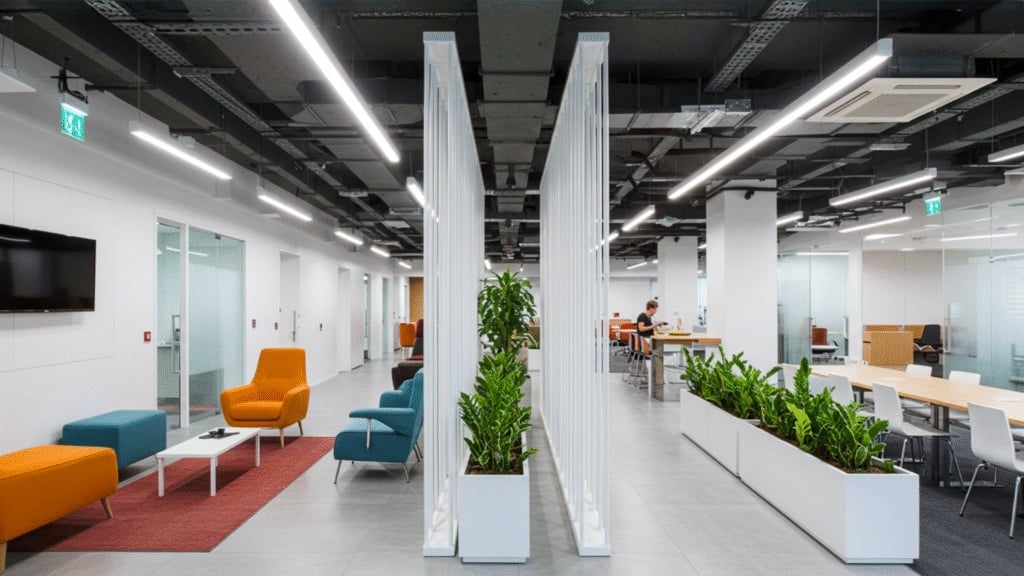
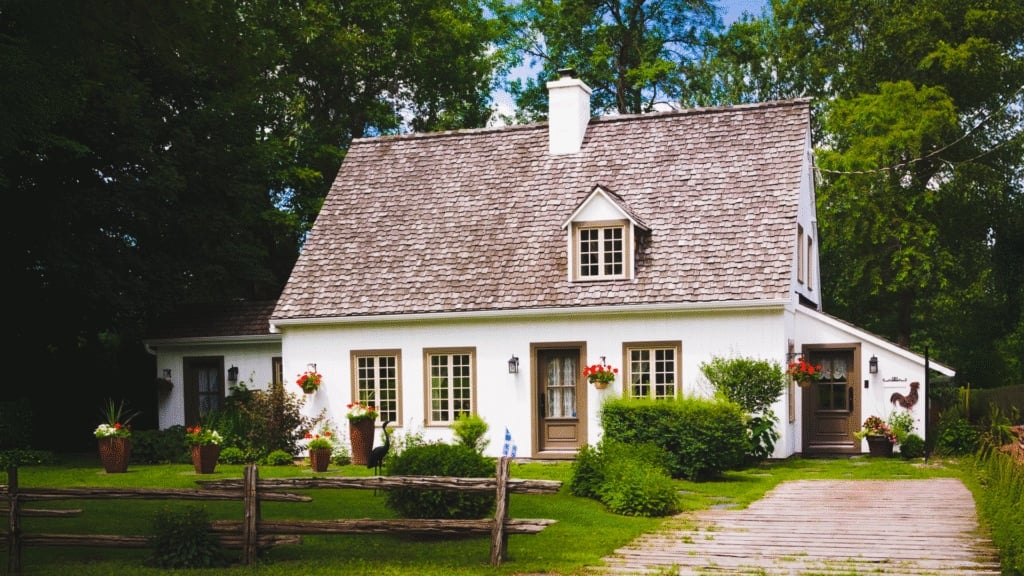
Humans instinctively seek a close connection to nature. Biophilia means love of life, and many prominent philosophies view the outdoors as a connection to the soul and healing. Biophilic design attempts to create a sense of harmony between humans and nature by adding vibrant greenery. Start fulfilling this need in your life with these 14 planter hacks.
Table of Contents
What Is Biophilic Design?
Biophilic design is an architectural and interior design approach that brings natural elements inside a home or office space, satisfying the innate desire to be outside. Data from the Environmental Protection Agency suggests that Americans spend 90% of their time indoors. Having plants within sight and reach connects you to nature.
Planter Hacks to Fulfill the 14 Patterns
Let these 14 biophilic design patterns guide your choices when incorporating nature and its elements within your space.
1. Visual Connection to Nature
The first fundamental aspect of biophilic design is seeing nature’s physical and transient pieces within a place. Exposure to natural environments enhances focus and lowers threat signals, creating calm and relaxation.
Start connecting the outdoors to your home even before you walk in the door. Your porch can benefit from a new, biophilic look. There’s also a practical side to updating your entryway — it can increase your home’s market value, which can later benefit you if you decide to sell or rent out your space.
To maximize greenery, position planters on windowsills or frame your outdoor view with plants. You can also use container gardens to fill a more expansive space. However, if your room lacks windows, you can create a vertical green wall filled with plants and flowers and attach warm lighting to support plant growth. Plants like cascading vines or flowering climbers will enhance the natural visual appeal.
2. Non-Visual Connection to Nature
Biophilic design goes beyond what you can see. You can also incorporate non-visual connections into the space. Sounds, scents and textures indicate the natural world is nearby.
Fragrant plants such as lavender, gardenia or jasmine add a sensory layer with calming scents that improve mood and reduce stress. Choose flowerpots made from natural materials like clay, stone or wood for texture. Their tactile qualities allow for a more tangible relationship to the environment.
3. Non-Rhythmic Sensory Stimuli
Some patterns mimic nature by following an unpredictable rhythm. In the outdoors, you can see these as swaying grasses, flowing water and the slight buzz of insects. The goal of this biophilic design idea is to create a space that is constantly in motion, alive and unexpected, much like naturally occurring variations.
To break monotony, hang plant containers or create freestanding structures with an unpredictable visual flow. Hanging pots move with the breeze and respond to changes in light. Ferns or vines also enhance sensory variability and visual movement.
4. Thermal and Airflow Variability
Being outdoors feels cool and refreshing because it naturally regulates temperature and airflow — think of a forest breeze or the shade of a tree on a hot day.
You can recreate that effect in indoor or semi-outdoor areas by strategically placing large planters near windows, doorways or other ventilation points. These can hold bigger plants or small trees, like fiddle-leaf figs or rubber plants, which provide natural shade and help regulate indoor temperature. This setup guides airflow, softens harsh sunlight and creates a more temperate, inviting space.
Add air-purifying plants like snake plants, peace lilies or areca palms to remove indoor toxins and boost oxygen levels. Altogether, this mimics nature’s climate-control system.
5. Presence of Water
Water features bring peace to a space. It’s so powerful that the mere sound can drastically calm emotions without a physical water source. Integrate running water into your design with a fountain planter, which will create calming sounds while serving as a beautiful focal point. Consider incorporating water lilies or bamboo, which thrive near water features.
6. Dynamic and Diffuse Light
Natural light is a beautiful addition to any space. To mimic natural light in dark areas, one planter hack is to integrate warm lighting as an alternative light source, especially in the evening or on cloudy days. You can also use plant containers that reflect or diffuse light, such as those made from light-colored materials like white ceramic or stone.
7. Connection With Natural Systems
The world comprises systems and cycles that rely on each other to thrive. Use planters that allow seasonal plantings to echo this connection with the elements. Modular and stackable containers will let you rotate your plants depending on the season. A dynamic display of plants that changes with the outdoor environment reflects Mother Nature’s rhythms.
8. Biomorphic Forms and Patterns
Nature is full of mesmerizing patterns — from the spirals of seashells to the branching structures of trees and the fractal geometry of leaves. These organic shapes resonate with us on a deep, instinctual level. You can echo that natural harmony by choosing planters with fluid, sculptural forms.
Skip boxy flower pots and opt for containers shaped like tree trunks, river stones or abstract curves. Since sharp angles are rare in nature, these rounded, intricate designs better reflect the elegance of living ecosystems — and bring that calming beauty into your space.
9. Material Connection With Nature
Natural materials are your best allies when weaving biophilic elements into a space. Wood, stone and clay create a rich sensory connection to the earth, reinforcing our innate bond with the natural world. Choose plant containers crafted from reclaimed or weathered wood to add organic texture and warmth, while stone planters provide grounding and a tactile sense of permanence.
10. Complexity and Order
Nature juxtaposes disorder with structure. Ecosystems may seem chaotic on the surface, but a closer look reveals a finely tuned web of diversity where every organism and element works in concert to maintain a delicate equilibrium.
Mimic these opposing concepts by arranging plants in layered designs. Use varying heights, textures and colors to build a harmonious arrangement. Consider placing taller plants at the back and smaller, more intricate plants at the front to create a visually pleasing display.
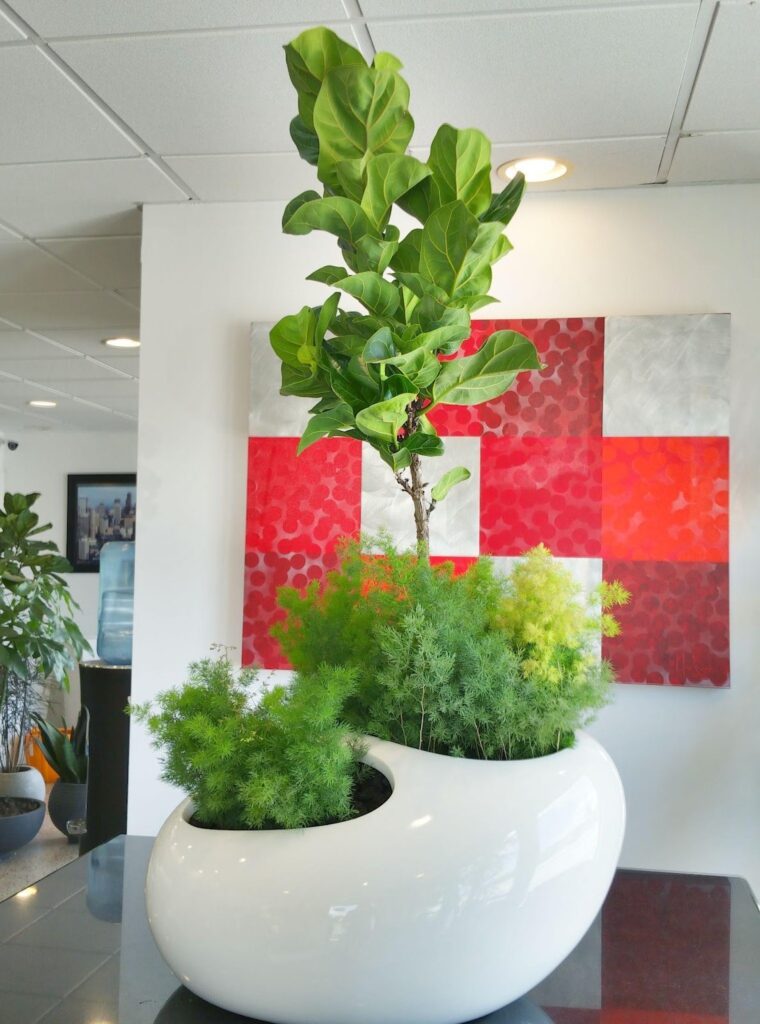
Photo by Jay Scotts
11. Prospect
People feel intrinsically drawn to spaces where they can see far distances or have clear views, providing a sense of safety and control. When arranging the space, ensure that your planters frame outdoor views instead of blocking them.
Positioning large containers along the edge of a balcony or window allows you to connect with the outside world while enclosed in a safe space. Tall, vertical planters will guide your eye toward the outdoors compared to boxy horizontal pots, which cut the flow of sight.
12. Refuge
Refuge is the opposite of prospect. Instead of being on the lookout, refuge involves creating sheltered, comforting spaces where you can retreat from the outside world.
If you have a cozy reading nook, make it more intimate and secluded by arranging containers with dense, lush plants. You can also group plants around bay window seats to enclose them, or use hanging planters to train vines into arches to create covered walkways. These setups will give you the privacy to feel safe.
13. Mystery
Mystery in biophilic design is the allure of the unknown. Spaces containing elements of surprise or uncertainty can stimulate curiosity and wonder. Think of a path that forks off into the distance. You know it leads somewhere, even if you can’t quite see where.
Here is where hanging plants with long, trailing stems can be magical. You can turn them into living curtains that frame a doorway leading out to the garden, creating a sense of anticipation that invites people to look deeper into where the plants lead them.
14. Risk or Peril
Much of nature’s allure lies in its unpredictability, with an air of mystery and a touch of danger woven into the wild outdoors. Introducing a subtle sense of risk can add intrigue without resorting to poisonous plants. Instead, reflect nature’s ruggedness by embracing untamed, wild elements.
Let your garden grow organically instead of forcing plants into straight rows. Skip overly curated exotic plants in favor of native grasses, wildflowers or succulents that celebrate nature’s raw unpredictability. These plantings create pockets of wilderness that bring life and excitement to your outdoor spaces while staying beautifully authentic.
Design Beyond Decor Using Planters
Biophilic design is about intentionally reconnecting with nature. Let these 14 principles guide you in incorporating greenery to bring sights, sounds and sensations into a space for a cohesive and immersive atmosphere.
By understanding these patterns and implementing the appropriate planter hacks, you can craft a setting that nurtures your well-being, stimulates your senses and enhances your connection to the natural world.