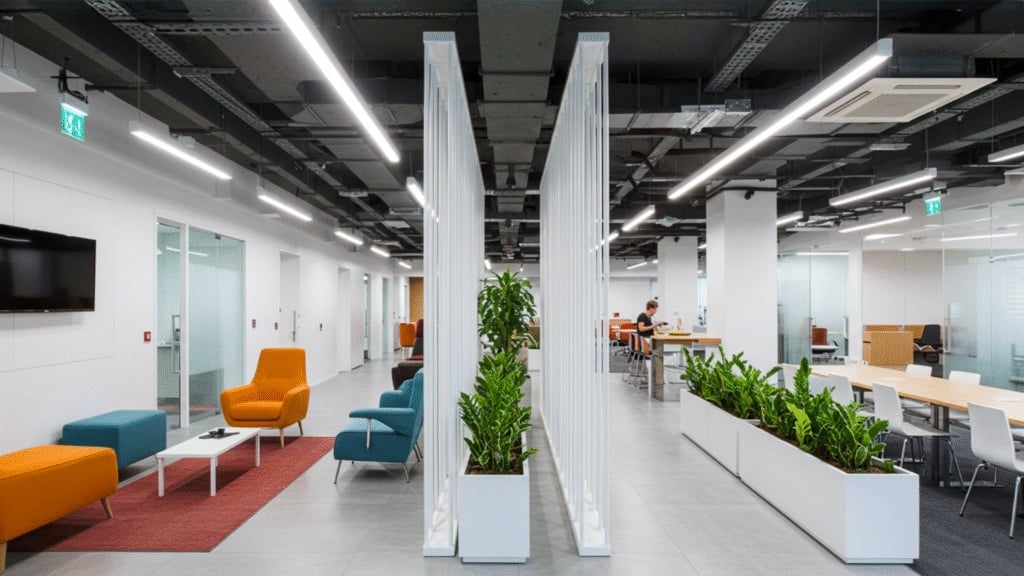
Retail interior design is more than just décor—it’s a strategic tool that shapes how customers experience your brand. From layout and lighting to materials and messaging, every element plays a role in guiding behavior and boosting sales.
In this guide, you’ll uncover proven strategies for creating captivating retail spaces that convert visitors into loyal customers. Stick with us till the end; the last insight is truly revealing!
Table of Contents
What is Retail Interior Design and Why is It Important?

Retail interior design involves crafting a purposeful, customer-focused shopping environment. The goal is to elevate the customer experience and drive measurable business outcomes through spatial and visual elements.
Successful retail environments combine design function with brand storytelling. Effective design makes it easier for customers to explore, decide, and ultimately buy from a store.
The look and feel of a retail space directly reflects brand credibility. Poor design choices may undermine trust and reduce customer retention.
Given the competitiveness of today’s market, strong interior design helps differentiate your store and builds emotional connections with shoppers.
Understanding the Basics of Retail Interior Design
Basics of retail design include floor planning, fixture selection, lighting design, and consistent branding. Each component contributes to the overall aesthetics and usability of the space.
Key functions like guiding foot traffic, product visibility, and signage integration are deliberately designed for clarity and ease of movement.
The Role of Aesthetic Appeal in Retail Success
A visually appealing store attracts more foot traffic and encourages exploration. Color schemes, material textures, and display arrangements all create emotional responses.
Retailers like Anthropologie and Muji invest heavily in visual identity, showing that beauty combined with function delivers long-term returns.
How Effective Design Influences Customer Behavior
Design psychology uses colors, shapes, and scent to increase dwell time and shut down decision fatigue. A layout that feels logical makes shopping enjoyable.
Data reveals that well-planned environments increase average order size—demonstrating the direct link between design and sales (source: National Retail Federation).
Core Fundamentals of Successful Retail Interior Design
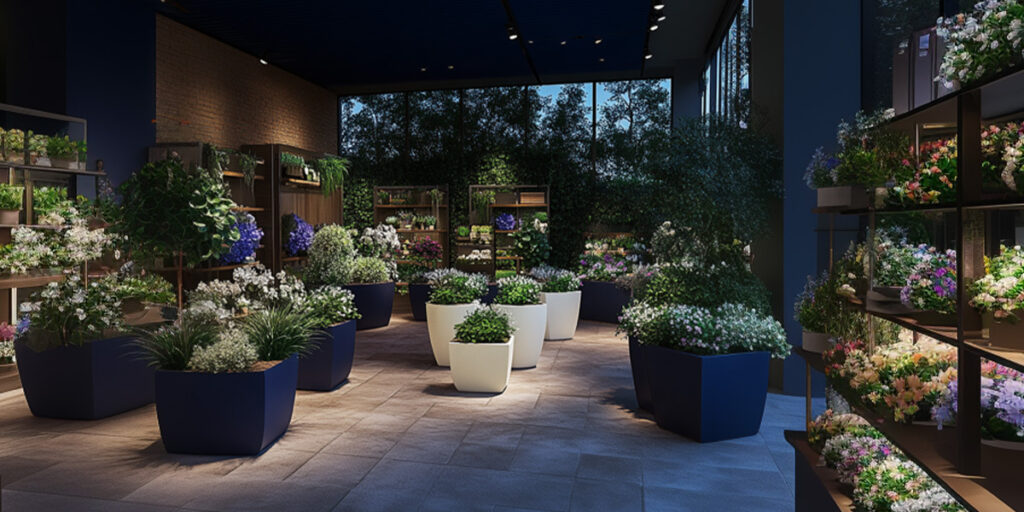
Effective design fundamentals focus on spatial awareness, customer comfort, and aesthetic harmony. These aspects ensure operational efficiency and increase engagement.
Retailers must craft layouts that balance open areas with focal product zones. This maximizes both product visibility and traffic flow. Lighting plays a critical role—it sets the store’s mood, boosts visual appeal, and draws attention to key products or displays.
Using the psychology of color helps create a brand-consistent atmosphere and can influence buying decisions. Material choices affect perceived luxury and brand quality. Durable finishes signal value while reducing maintenance expenses.
Space Layout and Flow Optimization
Smart layouts reduce friction and naturally guide shoppers from entry to exit. Popular strategies include grid systems for efficiency and loop layouts for immersive browsing.
Entry zones should introduce key messages and products. Check-out stands should be positioned for both visibility and privacy.
Strategic Use of Lighting in Retail Spaces
Lighting tiers—including ambient, task, and accent—work together to bring warmth and clarity. Overhead lighting ensures safety while spots highlight hero products.
Brands like Sephora use layered lighting to enhance color accuracy and promote product interaction.
Importance of Color Psychology in Store Design
Color choices tap into emotions. For instance, red creates urgency and boosts impulse sales, while blue communicates trust and calm. Retailers tailor palettes to brand tone—lush greens for natural brands, sleek blacks for luxury, and neutrals for minimalism.
Using Materials to Enhance Customer Experience
Materials define brand tone—natural wood speaks to sustainability, while polished metal suggests modern luxury. Think tactility and tone. Durable materials reduce long-term costs while supporting visual consistency across store locations.
Inspiring Examples of Exceptional Retail Spaces

Some global brands stand out not just for their products, but also for their retail design innovations. Examining their spaces reveals key trends and techniques.
These leading interiors offer valuable lessons in experience design, brand immersion, and customer-centric thinking. Each store reflects a well-crafted identity and spatial direction that resonated deeply with target shoppers.
Let’s explore what drives their success and how similar principles can be applied to your projects.
Case Study: Nike’s Flagship Retail Design
Nike’s House of Innovation promotes product trials and interactive storytelling. Modular spaces allow event-based transformations. This approach encourages return visits and makes space a functional marketing channel.
Case Study: Apple Store Interior Innovations
Apple’s open-plan, glass-heavy designs emphasize transparency and approachability. Product tables mimic creative studios, not retail checkouts. These spaces reinforce Apple’s brand promise of accessible innovation and human-centered experiences.
Case Study: Louis Vuitton’s Luxury Retail Interior
Louis Vuitton leverages art installations and lavish materials to reflect exclusivity. Each store is site-specific, blending global luxury with local context. Design enhances storytelling by featuring runway exclusives and event-based customization lounges.
Key Takeaways from Leading Retail Designs
- Prioritize customer experiences over product density
- Use design storytelling to bolster emotional connection
- Tailor layout and finishes to match shopper expectations
Step-by-Step Guide to Designing a Retail Interior

A methodical approach ensures every feature supports your brand and your customer’s experience. Begin by deeply understanding who you’re designing for.
Retail design isn’t static—it must adapt to market demands, seasonal trends, and feedback data. Here’s how to plan for impact and flexibility.
From brand message to finishing touches, this framework helps streamline retail space creation and avoids rework. A focus on visual merchandising and ambiance informs effective choices at every stage.
Defining Your Brand Identity and Message
Your store environment should mirror your brand values. Minimalist brands use clean lines; lifestyle brands may favor tactile, layered spaces. Use printed, digital, and ambient media to reinforce consistency and recognition across all contact points.
Analyzing Your Customer Demographics and Needs
Understand who is shopping: age group, lifestyle, and preferences. Design with their expectations in mind—older shoppers may value comfort while younger ones seek experiences. Use market research or tools like customer journey mapping to inform layout and display positions.
Planning Your Store’s Layout for Maximum Effectiveness
Apply proven layouts based on traffic patterns. Loop designs encourage full-store circulation; spine layouts work well with startups or long, narrow spaces. Hold frequent walk-throughs to detect bottlenecks or unused zones and resolve them early with design tweaks.
Implementing Visual Merchandising Best Practices
Eye-level placement, focal points, and promotional signage contribute to product visibility. Too much product, though, invites overwhelm. Update displays seasonally or during product launches to maintain freshness and relevance.
Enhancing Ambiance and Appeal with Premium Planters by Jay Scotts
Jay Scotts’ premium fiberglass planters elevate store ambiance and reinforce upscale aesthetics. Their clean finishes add polish and shape the store’s spatial vibe.
Explore our selection of modern fiberglass planters for interior use that seamlessly blend form with function.
Selecting the right planter styles to reflect brand aesthetics
Choose geometric planters for modern concepts; curved options suit organic and wellness brands. Match planter shapes to architectural lines.
Jay Scotts offers over 20 shapes and dozens of finishes to reflect your ideal mood board.
Strategic placement for maximum visual and functional impact
Use tall planters as non-invasive space dividers or highlight entry paths. Grouped arrangements support focal areas and frame signage. Always consider sightlines and scale when integrating into layouts—each planter should anchor, not distract.
Choosing colors and finishes to complement your retail interior
Glossy planters add light play in dark interiors; matte finishes soften bright environments. Color should harmonize with flooring and wall treatments. Custom-matched finishes from Jay Scotts help align interiors with brand palettes—a key differentiator in premium retail design.
Retail Interior Design Trends to Watch

As customer expectations evolve, retail interiors must keep pace. Today’s design trends reflect broader themes like sustainability, flexibility, and digital integration.
Brands that innovate visually and emotionally are outperforming others across most retail sectors. Designers are moving toward creating whole experiential ecosystems rather than static product displays. Following trends smartly—not blindly—can help you future-proof your retail environment.
Sustainable and Eco-Friendly Interiors
Designers are embracing reclaimed wood, VOC-free paints, and LED lighting. These improvements lower environmental impact while meeting consumer demand.
Sustainability can be used as both an ethical and aesthetic brand position, enhancing loyalty and identity (source: Architectural Digest).
Integration of Digital and Physical Experiences
Tech features like AR mirrors and interactive screens enrich browsing without replacing physical merchandise. Data-driven layouts adapt to real-time analytics.
Retailers like Nordstrom Local are innovating with app-based fitting rooms and on-demand services to bridge online-offline gaps.
Flexible and Modular Retail Designs
Modular furniture and movable walls give retailers the power to update layouts frequently. Pop-ups and themed displays become easier to execute. This trend supports seasonal campaigns and allows testing new concepts ahead of major investments.
Experiential Retail Environments and Immersive Experiences
From in-store art installations to fragrance diffusion, every detail contributes to a shareable experience. Customers come for more than just products—they seek environments worth revisiting. Brands investing in experience-building often report higher dwell time and increased social media reach.
Incorporating Greenery with Modern Fiberglass Planters from Jay Scotts
Biophilic design is trending, and planters serve both decor and environmental psychology. Greenery uplifts mood, lowers stress, and softens harsh interiors.
Our modern commercial planters also serve as durable, stylish space dividers in flexible store layouts.
Critical Mistakes to Avoid in Retail Interior Design
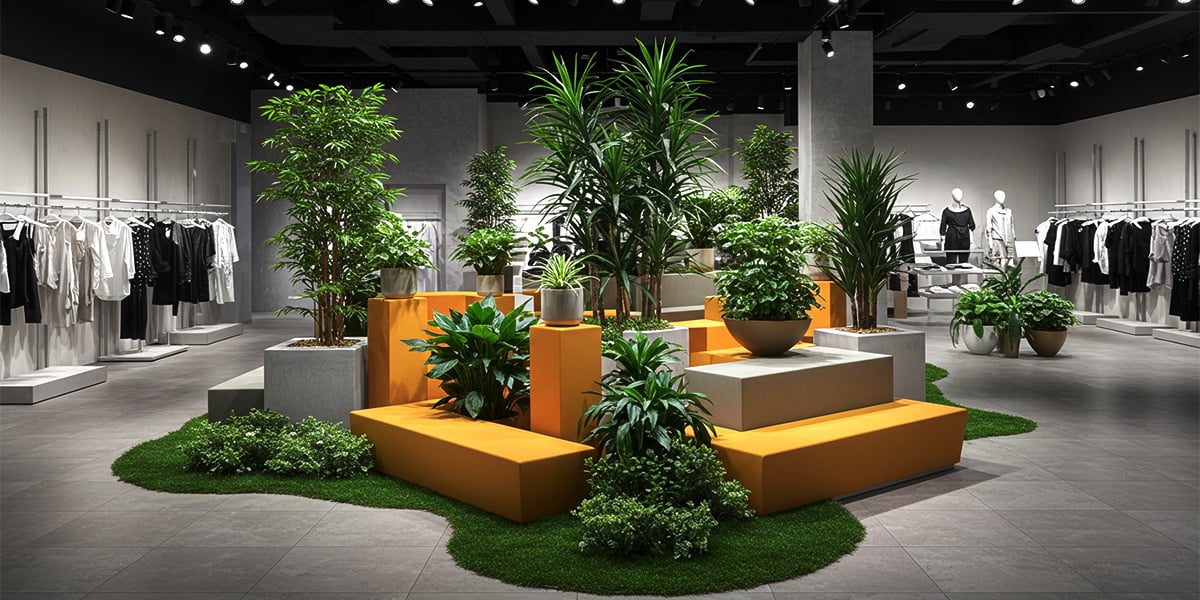
Even well-meaning design choices can misfire if they ignore how people shop or what they need. Avoid these common issues to keep your store welcoming and high performing.
Each mistake listed here has been known to reduce sales, create clutter, or confuse shoppers. Knowing what not to do is just as vital as following best practices—it prevents costly reworks and brand misalignment.
Optimization isn’t only about more design—it’s about better design directed with intent.
Overcrowding Your Retail Space
Too many shelves or products overwhelm shoppers and lower conversions. Keep it clean; allow visual breathing room around key displays.
Use negative space strategically—it helps feature products and makes the store appear premium.
Ignoring Your Customer’s Comfort and Accessibility Needs
Narrow aisles, poor seating options, or cluttered layouts push customers out. ADA compliance isn’t just a legal issue—it’s a hospitality must. Good design welcomes everyone. Build with universal design principles for inclusivity.
Poorly Executed Lighting Choices
Inappropriate lighting skews product colors or creates discomfort. Cool tones might suit tech; warm lighting suits apparel or homewares. Blend functionality and mood—lighting should match brand tone and usage needs.
Failure to Reflect Brand Messaging in Design Choices
If your store feels different from your packaging, website, or ads, it confuses customers. Design must embed brand language seamlessly. From font style to flooring texture, synchronize every element for consistency.
How to Measure the Success of Your Retail Interior Design
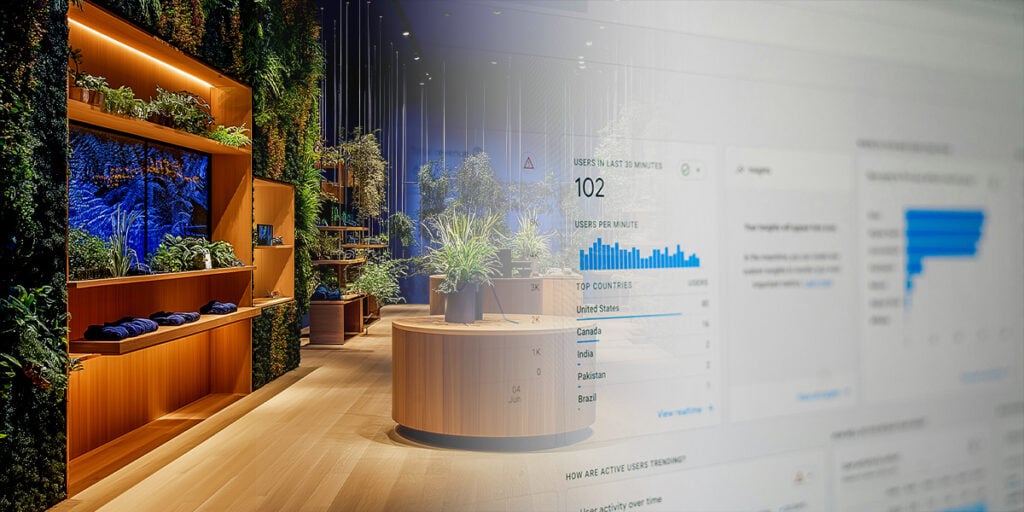
Quantifying impact helps adjust your design over time. Tracking metrics confirms what works and what needs refining. Data-driven insights support evolution and keep branding and environment aligned with goals.
Understand both behavioral and business metrics to get a full picture of design success. These measurements are essential for justifying investment or gaining buy-in from stakeholders.
Using Customer Traffic Analysis
Tools like heatmaps and traffic counters show which areas attract the most engagement. Rearrange displays accordingly. Measure foot flow efficiency and conversion by layout or zone.
Evaluating Sales Data and Conversion Rates
Sales metrics before and after design updates help benchmark effectiveness. Look at the basket size and peak sales hours. Pair this with POS data for product-specific insights.
Gathering Customer and Employee Feedback
Surveys or informal interviews often highlight overlooked pain points. Frontline staff can offer valuable input on usability and ambiance. Feedback loops improve future iterations and build internal support.
Adjusting Your Store Interior Based on Analytical Insights
Translate metrics into design modifications. For example, better signage in underperforming zones or improved lighting near check-outs. Small tweaks based on data lead to compounding results over time.
Choosing the Right Interior Design Professional

The right designer balances artistry with strategic thinking. They should understand not only aesthetics but also customer behavior, compliance, and market trends. Hiring a specialist delivers long-term value as your store evolves with customer expectations.
Clear communication and shared vision form the base for an effective partnership—start there. Here’s how to find the right fit within your plan and budget without compromising creativity.
Signs You Need a Professional Retail Interior Designer
If layout issues affect sales or your store lacks cohesion with your brand, it’s time to bring in expertise. Budget overruns or slow customer flow are also red flags. Professionals bring efficiency and market insight to avoid costly trial and error.
Questions to Ask When Finding Your Designer
Ask for past retail projects, process flow, and how they track ROI. A strong portfolio and references are essential. Also confirm their approach to revisions, material sourcing, and integration of customer data.
Budget Considerations for Retail Interior Design Services
Design costs vary widely depending on scope and location. Most designers charge either hourly or by square foot. Include wiggle room for fixtures, custom pieces, and any mid-project adjustments in your plan.
Brand Insights

At Jay Scotts, we focus on more than planters—we support your entire design vision. Our products enhance space, support wellness, and reflect modern brand values. We work with trade professionals on upscale, large-scale projects that demand consistent excellence.
Our Unique Approach to Retail Interior Design
We support retail interior design projects by offering scalable, visually striking planter solutions that last. Each piece becomes part of the branded atmosphere. Our planters are made to strengthen retail storytelling with precision and style.
Human-Centric Design Philosophy
We prioritize utility, comfort, and emotional harmony in every product. Planters deliver both visual richness and enhanced spatial flow. Each design aspect supports user wellbeing and the designer’s vision equally.
Custom-Tailored Retail Solutions for Every Brand
Trade partners benefit from our broad range of custom finishes and sizes. Adapt our planters to any concept from minimal to maximalist. Efficient turnaround and fit-for-purpose design make us a partner in creativity and execution.
Integrated Approach to Technology and Aesthetic Innovation
With premium-grade fiberglass and state-of-the-art finishing, we deliver products that look good and endure. Few décor items punch this far above their weight. Consistency across large batches and custom branding options keep our clients coming back, project after project.