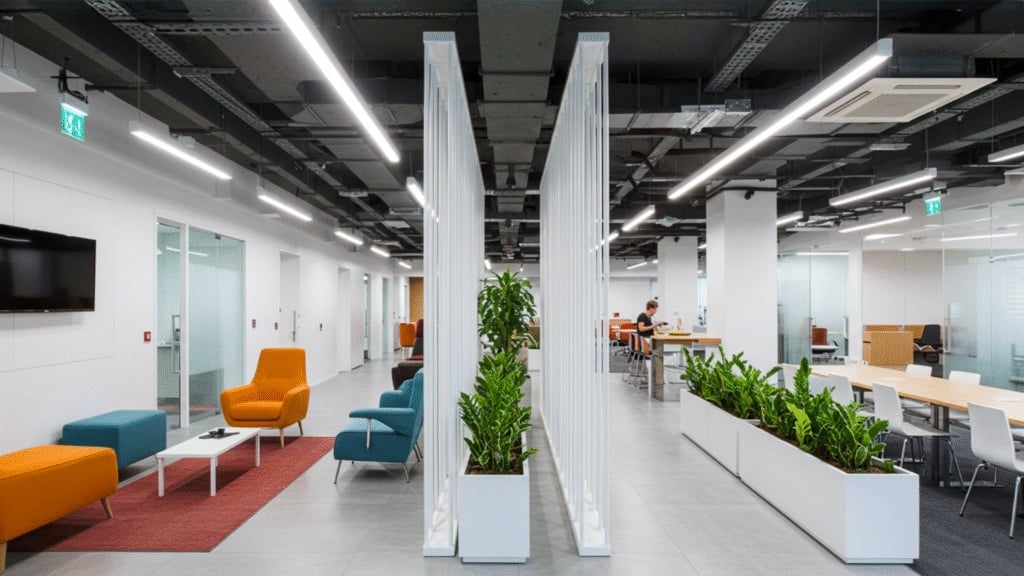
The New Fiberglass Planter Trend is redefining how design professionals approach both interior and exterior spaces. From modern rooftops to luxury hotel lobbies, these planters are catching attention for all the right reasons. This article covers everything you need to know – their benefits, uses, design appeal, and care tips.
Table of Contents
What is the New Fiberglass Planter Trend?
The new fiberglass planter trend is making waves with landscape architects and designers for its blend of sleek aesthetics, durability, and adaptability. As changing lifestyle needs shape the direction of modern design, these planters fit seamlessly into both minimal and bold settings. Professionals in luxury hospitality, commercial real estate, and contemporary residential properties are using fiberglass planters to create defined green spaces.
These planters enhance biophilic designs, improve guest experience, and offer long-term visual and structural value. With a wide array of finishes, sizes, and customization, fiberglass planters are quickly becoming a core part of sustainable and visually optimized projects. Their ability to balance beauty with function is why they’ve risen to the forefront of the industry. This trend also reflects the increased need for lightweight and resilient materials in rooftop gardens, balconies, and custom interiors. The result is elevated plant displays that don’t compromise on design or structural integrity.
Understanding Modern Gardening Trends
Urban gardening has evolved from simple pots to statement-making design. Modern trends now focus on sustainability, style, and spatial efficiency – three areas where fiberglass planters perform exceptionally well. Design professionals are also prioritizing stress-free solutions that install easily, require minimal upkeep, and support green certifications. Fiberglass planters check all these boxes and more.
Defining Fiberglass Planters: Characteristics and Design
Fiberglass planters are made by reinforcing plastic with woven glass fibers, resulting in ultra-light yet durable containers. They can mimic the appearance of heavier materials such as concrete or ceramic while being far easier to manage during installation or relocation. These planters are sealed with high-performance finishes that resist fading, cracking, and UV exposure. The internal design supports varied plant types and includes customizable drainage options for healthier plant environments.
Why Fiberglass Planters Are Gaining Popularity
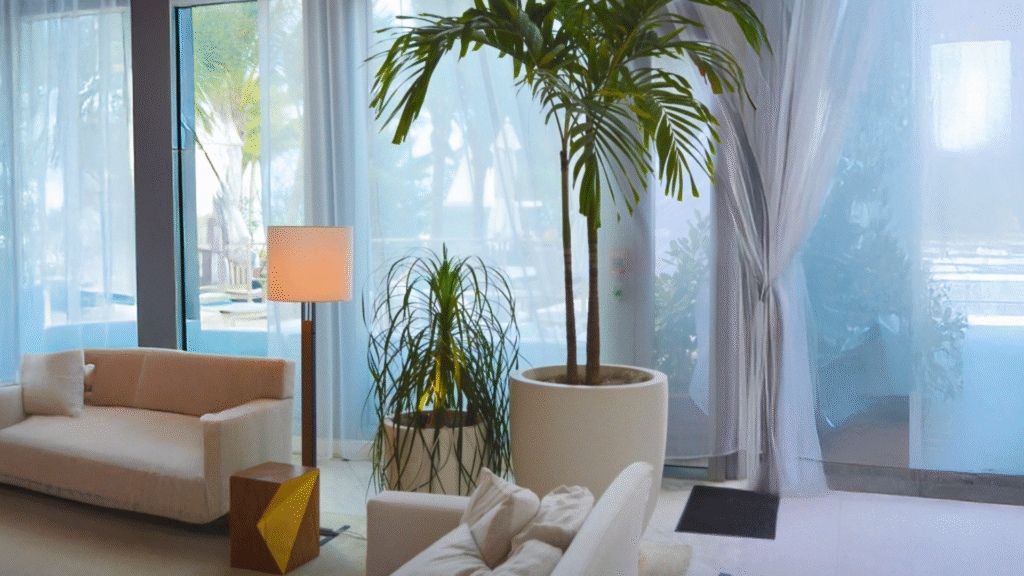
Industry professionals are turning to fiberglass planters for their performance, visual versatility, and eco-responsibility. Unlike porous or heavy alternatives, fiberglass delivers sleek looks without logistical headaches or long-term costs. Ideal for high-traffic spaces and challenging environments, fiberglass planters add both value and beauty to architectural projects.
Whether it’s a rooftop terrace or boutique hotel lobby, these units elevate aesthetics and functionality. Clients increasingly request materials that are both sustainable and attractive. Designers looked to fiberglass to meet both demands while offering something more refined than plastic or metal planters. From enhanced portability to custom form factors, the reasons behind fiberglass’ growing popularity are clear. As seasonal shifts and design standards continue to evolve, this material stays relevant and reliable.
Benefits of Fiberglass Over Traditional Materials
Fiberglass planters outperform conventional materials in several key categories:
- Resilience to harsh weather: Unaffected by snow, humidity, salt, and UV rays.
- Lightweight and portable: Easy transport and relocation during seasonal changes or layout shifts.
- Modern aesthetics: Customizable textures and finishes for a perfect visual match.
These material advantages help lower installation and maintenance costs, reduce structural strain, and expand placement options in any design project.
Sustainability and Eco-Friendly Aspects
Many fiberglass planter manufacturers, including Jay Scotts, use resin composites that are recyclable and non-toxic. Some production processes even lower carbon emissions compared to clay or concrete alternatives. Professionals seeking LEED credits or green design certifications benefit by specifying fiberglass planters. Their long lifespan and low maintenance further reduce environmental impact—creating value well beyond first use.
The Different Styles and Designs of Fiberglass Planters
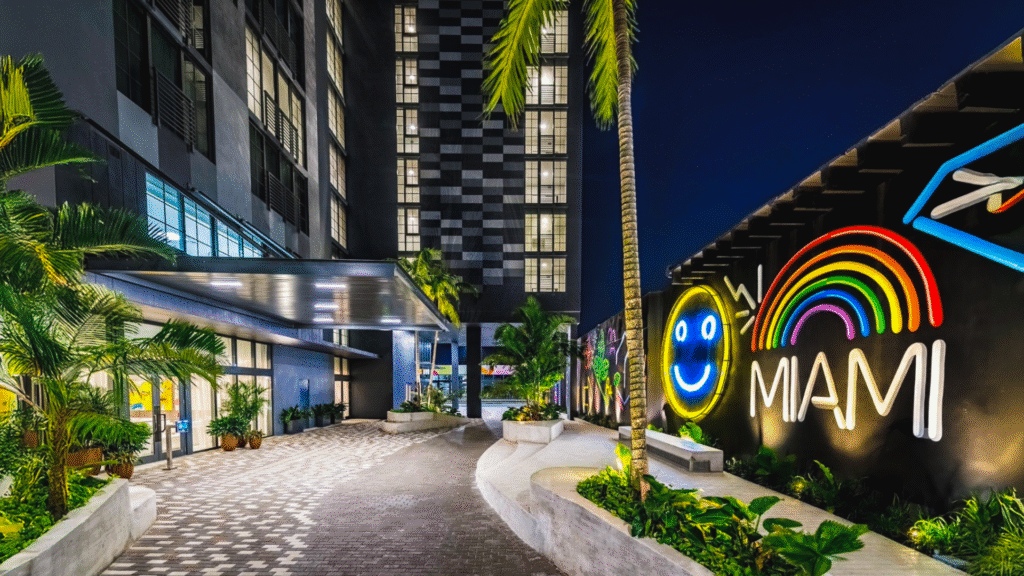
Fiberglass planters are celebrated as much for their looks as their practicality. With clean silhouettes and adaptable aesthetics, they complement both organic and geometric space designs. Designers use them to make bold statements or blend effortlessly into background architecture.
Whether working on a branded storefront or a neutral residential patio, there’s a fiberglass finish to suit the scene. The range of finishes – matte, satin, or polished – amplifies their visual utility. Textures mimic stone, metal, or wood without absorbing moisture or heat like those materials. Shape selection adds another layer of design freedom. From tall rectangular boxes to low-profile bowls, these planters frame plants intentionally and sculpturally.
Sleek and Contemporary Styles
At the forefront are sleek planters with sharp lines and monolithic finishes. These models are ideal for luxury hotels, rooftop lounges, and business atriums. Matched with neutral tones or bold color palettes, they function as both containers and sculptural design elements that anchor the space.
Textures and Finishes: From Matte to Glossy
Fiberglass planters come in over 30 customizable finishes including high gloss, textured matte, metallic sheens, and more. Jay Scotts alone offers a wide range of surface options built to withstand outdoor weather or indoor lighting glare. Designers looking to replicate natural textures without structural drawbacks often choose matte or stone-like surfaces. Glossy finishes, meanwhile, lend a modern sparkle especially when dusk lighting highlights them.
Popular Shapes and Sizes Trending This Year
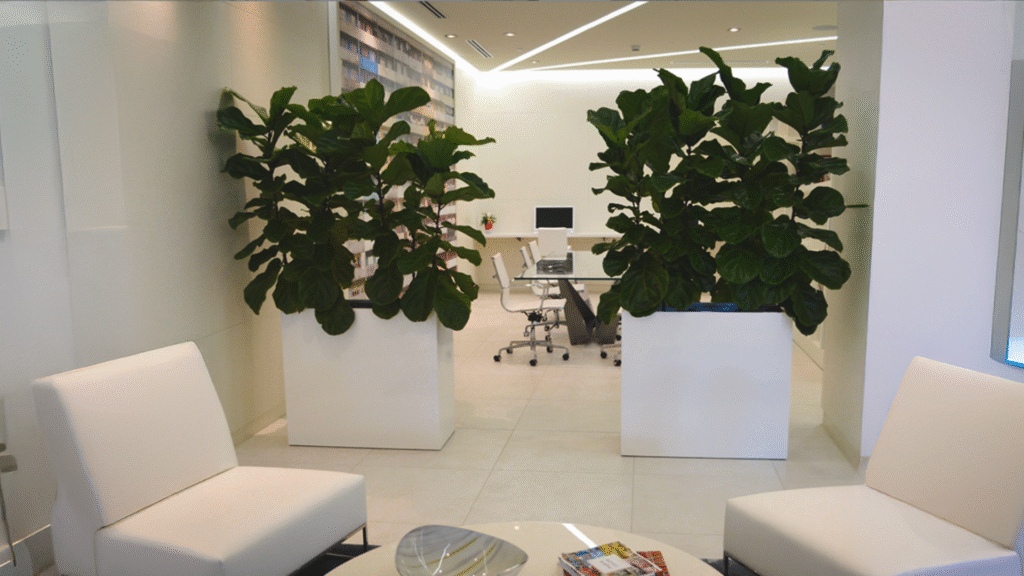
Large rectangular planters are trending for zoning areas in open-plan environments. They work especially well in hotels and offices for semi-private seating sections. Elsewhere, bowl and cube-shaped planters are popular in homes and lounges where space is limited but visual appeal is still required. Multi-height grouped formats are also being used to create layered green installations.
Ideal Spaces for the New Fiberglass Planter Trend
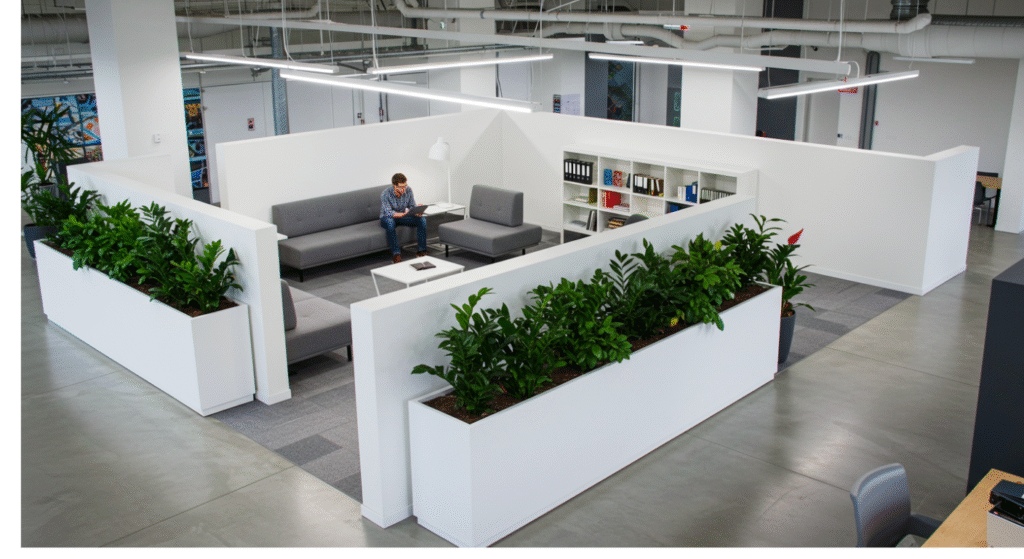
Design professionals are integrating fiberglass planters across a wide variety of settings – from large corporate campuses to intimate urban balconies. Their weight-to-strength ratio and finish options make them fit for anywhere, indoors or out. Thanks to their rugged composition, these planters stand up to foot traffic, cleaning agents, and climate changes without looking worn. This makes them ideal for public-facing environments that prioritize aesthetics under pressure.
Strategic placement not only enhances ambiance but often improves way-finding and movement flow throughout a space. Raised containers, screening hedges, and repeating elements all contribute to refined spatial experiences. Additionally, their compatibility with built-in irrigation or drainage systems enables worry-free plant health in otherwise complex site conditions.
Indoor Home Decor Trends
Contemporary interiors increasingly use large planters to replace traditional decor. These oversized pieces bring vitality and life into minimalistic spaces. Neutral colors with soft matte finishes are especially popular in living rooms, entryways, and stairwells – where clean lines and calm tones dominate.
Modern Outdoor Landscaping
In corporate or leisure-focused landscapes, fiberglass planters define luxury and order. They function as clean partitions along poolsides, pathways, or terraces without disrupting natural scenery. Bi-layer and oversized planter layouts are trending in these spaces, offering gradual transitions between hardscape and softscape zones.
Residential and Commercial Applications
Homeowners often embrace fiberglass planters for their long lifespan and stability on patios, decks, or balconies. Unlike ceramic, fiberglass doesn’t shatter upon movement or weather shock.Commercial firms prize fiberglass for its low maintenance and design warmth in lobbies, co-working areas, and outdoor lounges – delivering elegance without constant upkeep.
Step-by-Step Guide to Choosing the Right Fiberglass Planter
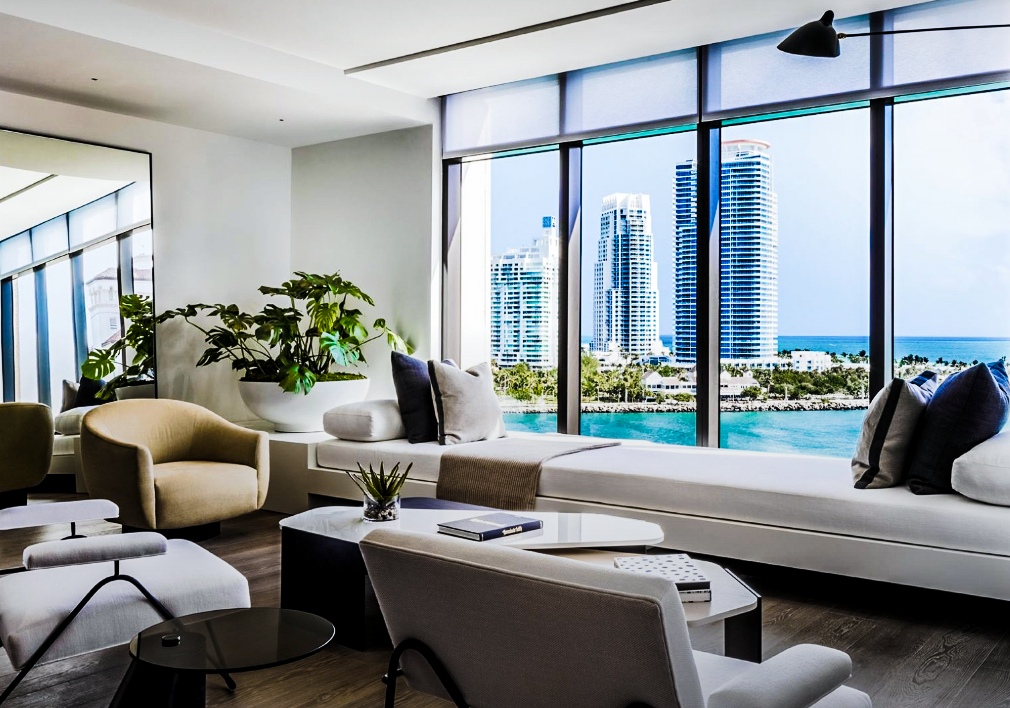
Choosing the perfect fiberglass planter starts by aligning functionality with design goals. Whether you need to frame entryways, divide zones, or enhance focal points, each installation has unique demands. Balancing form with utility ensures both visual consistency and plant health.
Planter size, shape, and finish must suit the plant type while complementing other interior or architectural features. Durability, environmental conditions, and drainage possibilities further guide the selection process. Fortunately, fiberglass offers remarkable flexibility in all of these fields. Use the following step-by-step checklist when choosing your ideal fiberglass planter:
Identifying Your Style and Needs
Start by assessing the overall design palette of your project. Is the vibe refined and minimal, vibrant and dynamic, or rustic chic? Once the mood is established, matching a fiberglass planter’s finish and form becomes straightforward – especially when collaborating with professional suppliers like Jay Scotts.
Measuring the Space Correctly
Accurate spacing ensures visual balance and ease of access in hallways, patios, or doorways. Always measure height, width, and clearance paths to avoid cramping or underuse. For larger commercial installations, spacing consistency across grouped planters creates rhythm and avoids clutter.
Consider Plant Requirements and Drainage Needs
Knowing your plant species’ root depth, sunlight exposure, and watering schedules ensures long-term success. Fiberglass planters are compatible with irrigation systems and can easily be ordered with built-in drainage. It’s critical to confirm whether your location needs sealed bottoms or open-drain setups – especially for interior installations.
Caring and Maintenance Tips to Extend the Life of Fiberglass Planters
Although fiberglass boasts long-lasting durability, routine care helps maintain its appearance and performance. Regular inspection prevents issues from compounding over time. Unlike porous or reactive materials, fiberglass only needs basic cleaning and caution during moving or tool use.
Implementing seasonal care habits will add years to your planters’ lifespan. Always consult the manufacturer’s guidelines – but here are time-tested best practices used across commercial and residential installations. Having a well-planned maintenance routine preserves your investment while highlighting its design appeal at all times.
Routine Cleaning and Easy Maintenance Steps
Clean the exterior using mild soap, soft cloths, and warm water. Avoid abrasive pads or strong solvents that may damage the finish. For indoor units, a quarterly cleaning schedule is sufficient. Outdoor planters often benefit from lighter monthly cleanings due to exposure.
Protecting Fiberglass Planters from Damage
Use foam pads or cloth barriers when placing the planter on delicate surfaces. Never drag planters to reposition; always lift from the base. If a minor scratch occurs, it can often be buffed out or touched up using a finish-matching repair kit from the supplier.
Seasonal Care Tips and Weather Considerations
Though fiberglass resists cracking better than ceramic or concrete, high wind or frost-prone areas may still require anchoring or sheltering. For winter months, remove or buffer against expanding ice and excess moisture. This ensures long-term integrity despite fluctuating climates.
Frequently Asked Questions (FAQs) About Fiberglass Planters

Are Fiberglass Planters Safe for Growing Edibles?
Yes, high-quality fiberglass planters use food-safe resins and sealants. Always verify that the specific product is manufactured without harmful additives. This makes fiberglass planters suitable for growing herbs, lettuces, and even fruiting crops in urban and hospitality settings.
Can Fiberglass Planters Fade or Crack Over Time?
Premium fiberglass planters like those from Jay Scotts are UV-resistant and crack-resistant. Lower-quality models, however, may degrade- always choose trusted suppliers. Proper care and positioning further minimize fading risks and impact exposure.
How Environmentally Friendly Are Fiberglass Planters?
When responsibly manufactured, fiberglass is highly eco-conscious. It’s long-lasting and often recyclable or reusable at the end of its cycle. Suppliers committed to sustainable manufacturing offer peace of mind for environmentally focused projects.
How the Fiberglass Planter Trend Compares to Other Materials
Comparing fiberglass with ceramic, concrete, and metal options highlights where it truly shines. From ease of mobility to design continuity, there are clear advantages in professional use cases.
Below is a simple comparison chart:
| Material | Weight | Weather Resistance | Design Flexibility |
|---|---|---|---|
| Fiberglass | Light | Excellent | High |
| Ceramic | Heavy | Moderate | Medium |
| Concrete | Very Heavy | Good | Low |
As visible, fiberglass offers the best overall performance and design adaptability for fast-paced or large-scale installations.
Fiberglass vs. Ceramic Planters
While ceramic is often more decorative or handmade, it’s fragile and heavy. Fiberglass mimics similar finishes but with better durability and easier handling. Professional settings often choose fiberglass over ceramic due to reduced risk of breakage and simplified shipping logistics.
Fiberglass vs. Concrete Planters
Concrete planters offer bulk and robustness but aren’t ideal for rooftops, suspended decks, or design shifts. Fiberglass matches strength needs without added weight. This makes fiberglass a practical and aesthetic upgrade for design mobility and visual impact.
Cost and Quality Comparison with Traditional Planters
Initial fiberglass costs may seem higher, yet total cost of ownership is much lower. Longevity, fewer repairs, and lightweight shipping reduce lifecycle expense. Compared to traditional materials, fiberglass is the more efficient and upscale choice for modern contracting and design firms.
Our Unique Approach at Jay Scotts

Jay Scotts sets the gold standard in fiberglass planter production with exclusive finishes, advanced engineering, and trade-first service. Our planters are built to last, look exceptional, and perform in every professional setting. We partner with installers, architects, and designers to deliver personalized solutions founded on quality, reliability, and intentional design. Our streamlined ordering and B2B processes ensure your projects run on time and on spec. Ready to elevate your next design? Explore the full collection of fiberglass planters that architects and designers trust for their most discerning clients.
The Jay Scotts Difference: Prioritizing Innovation and Sustainability
We use innovative materials and processes that blend art with function. Each planter is hand-finished in the USA, ensuring precision and longevity with minimal environmental impact. Our commitment includes reducing waste, using non-toxic materials, and offering recyclable products aligned with global green building initiatives.
Advanced Material Composition for Superior Durability
All Jay Scotts planters are made with marine-grade fiberglass formulation for higher load-bearing capacity, thermal resistance, and weatherproofing. This guarantees better long-term ROI on commercial applications. Our planters also offer compatibility with self-watering inserts or full irrigation systems – an essential element in large-scale plant management.
Our Commitment to Eco-friendly Practices and Recyclable Materials
Environmentally conscious professionals will appreciate how we minimize petroleum-based inputs and recycle at every production stage. These practices align with emerging sustainability goals in architecture and hospitality design. Our eco-policy ensures your projects enhance both aesthetics and ethics.
How Jay Scotts Designs Set New Trends in Fiberglass Planters
We continue to lead the market with bold forms and finishes inspired by contemporary architecture and client demand. Our catalog features modern classics and trend-forging silhouettes seen in top hospitality and office environments.
When design meets durability – you get a Jay Scotts planter.