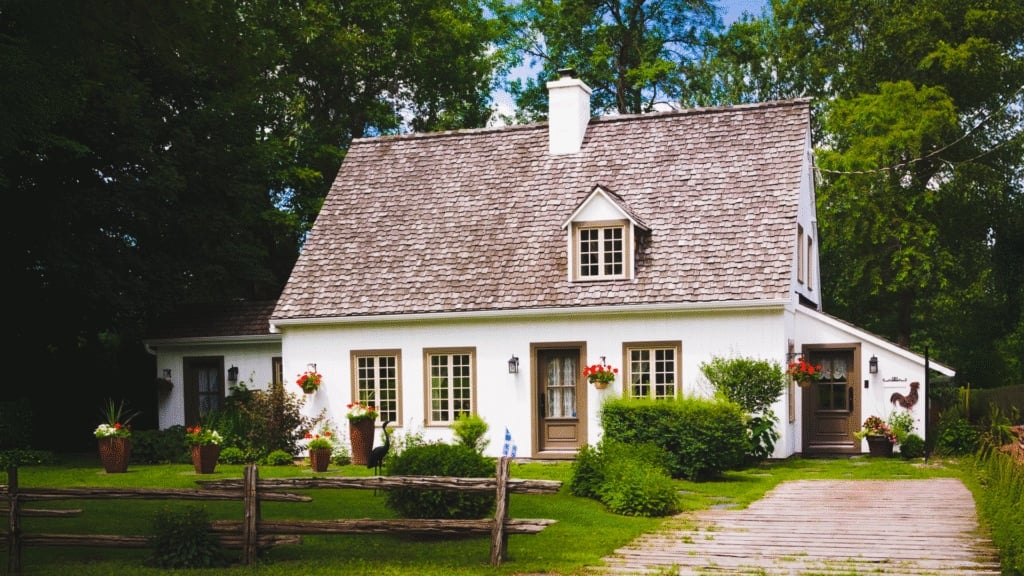
Transforming your tiny entrance into an inviting, aesthetic space is easier than you think. With smart landscape design for small front yard spaces, you can improve curb appeal without clutter.
Whether you’re working with limited square footage or an oddly shaped entry, this guide shares ten creative strategies that pack a visual punch. Stick with us till the end; the last insight is truly revealing!
Table of Contents
Introduction to Small Front Yard Landscape Design

Designing a beautiful front yard in a small space isn’t just about fitting everything in—it’s about making thoughtful choices to balance form and function. Smart landscaping can change how a space feels without increasing its size.
Landscape design for small front yard areas can increase home value, reduce maintenance needs, and create a welcoming first impression. Every design element, from plant selection to hardscape layout, plays a role in how the space flows.
Small-space landscaping encourages you to focus on quality over quantity. Instead of spreading elements out, you strategically position each one to maximize impact and flow.
With good planning, even the most compact yards can include distinct zones like seating areas, green spaces, and vertical gardens.
Importance of Effective Landscaping in Small Spaces
Every inch counts in a small front yard, which means each decision must serve both aesthetic and functional purposes. Good design helps reduce visual clutter and improves the usability of the space.
Landscaping can also influence how neighbors and visitors perceive your home. A well-maintained entry can make even modest homes look polished and inviting.
Common Challenges in Small Front Yard Landscaping
Limited space, awkward shapes, and low sunlight levels can make landscaping tricky. Small yards may also face city restrictions or HOA rules on fencing and plant height.
Another challenge is integrating practical features like lighting, seating, and pathways without overcrowding. Multi-functional designs often solve this issue while maintaining cohesiveness.
1. Utilize Vertical Garden Space
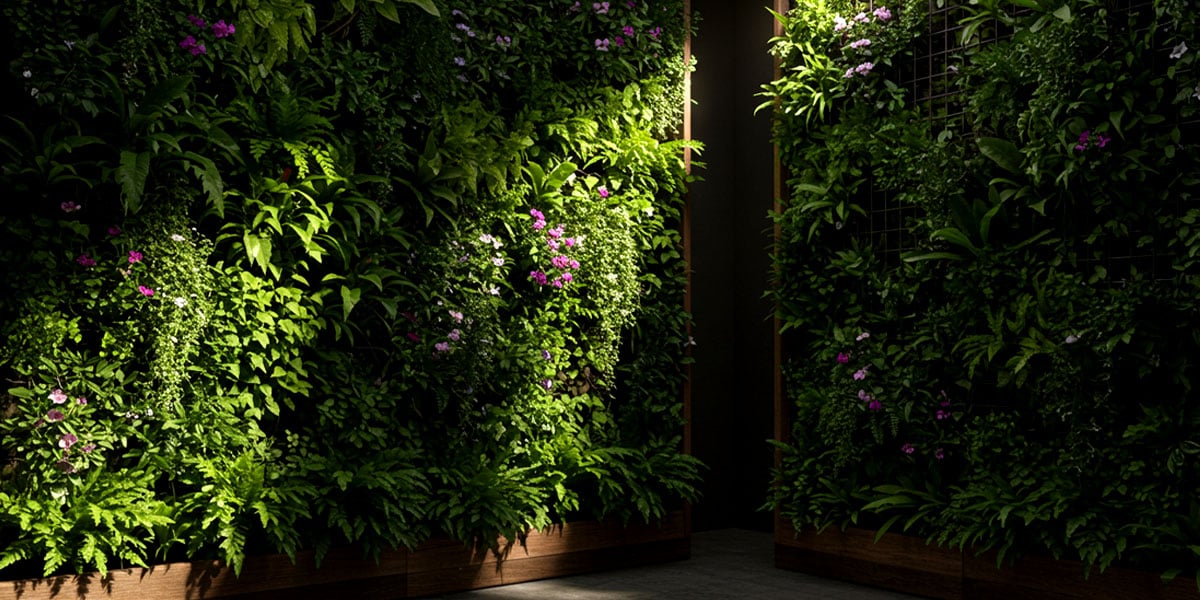
Going vertical is one of the most space-efficient ways to add greenery to a small front yard. Vertical gardens draw attention upwards, creating the illusion of more room while enriching the space visually.
These walls of greenery also improve air quality, provide privacy, and serve as living art pieces. Modular structures or trellises can support a range of plant types.
Reinforce your vertical garden with structural support like wooden frames or metal grates that complement your overall design. Curb appeal increases when the structure feels integrated.
Wall-mounted gardens help tidy the space by keeping plants off the ground and away from high-traffic areas like walkways or driveways.
Ideal Plants for Vertical Gardens
Low-maintenance plants like ferns, succulents, and creeping figs are smart choices. These plants thrive in small soil pockets and don’t develop large root systems.
Herbs such as basil, thyme, or mint also work well in vertical designs and add fragrance. Choose sun or shade varieties depending on your yard’s exposure.
DIY Solutions: Hanging Planters and Wall Gardens
Repurpose materials like wooden pallets, shoe organizers, or stackable crates to create vertical solutions. Add hooks or shelves to walls or fences to keep containers secure.
Using planters like the timeless Miami Rectangle from our composite fiberglass rectangle planter collection provides durability and customization for vertical arrangements.
2. Embrace Minimalist Landscaping

Too many elements in a small yard can overwhelm the space. Minimalist landscaping helps highlight essential features and ensures every component serves a purpose.
This approach relies on clean lines, open spaces, and a limited but impactful plant palette. The design feels more focused and tranquil, reducing visual stress.
Gravel beds, simple pathways, and neutral-toned planters create harmonious layouts. Grouping similar plants helps unify the yard and prevents design confusion.
Minimalism isn’t about doing less for less—it’s about thoughtfully choosing what belongs in the space and eliminating excess.
Advantages of Minimalism in Small Yard Designs
Minimalist yards are easier to maintain and typically need fewer resources, which is better for both budget and the environment. This simplicity also enhances long-term layout flexibility.
With fewer distractions, key features like a bold tree or modern sculpture gain more attention and admiration.
Key Elements of a Minimalist Front Yard
Use a limited palette, structured hardscapes, and monochromatic color schemes. Choose two to three materials for cohesion—such as stone, concrete, and wood.
Apply symmetry or repetitive patterns to add consistency. Raised beds or sleek containers help create defined plant zones in minimalist environments.
3. Incorporate Eye-Catching Pathways
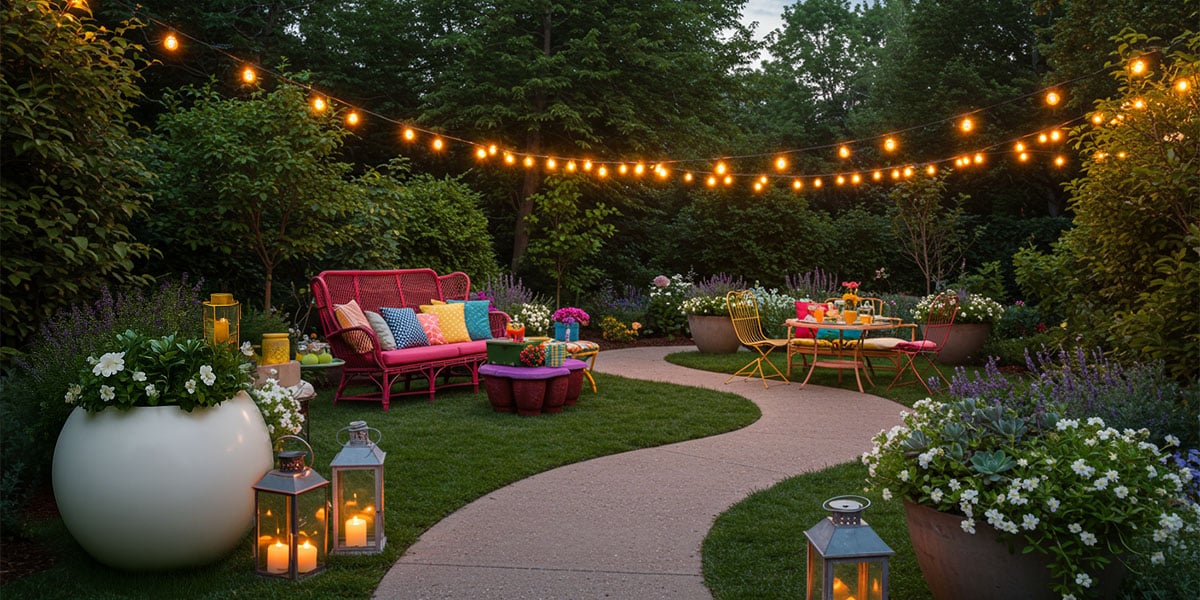
A visually interesting pathway can make a small front yard feel intentional and inviting. Pathways direct foot traffic and help divide landscape zones.
You don’t need a large yard to benefit from a creative walkway. A well-designed path offers structure while enhancing the yard’s character.
Try combining different materials like brick borders with gravel infills, or alternate large stone slabs with turf in between. The mix adds visual rhythm. Alternatively, planters also make for an easy way to guide, allowing the freedom to refine placements until you get the perfect pathway.
Ensure paths are accessible with proper drainage and grading to avoid runoff or puddling near foundations or entryways.
Creative Pathway Materials (Stone, Gravel, Pavers)
Natural stone offers organic beauty and blends smoothly with most home styles. Concrete pavers deliver modern aesthetics and are budget-friendly.
Pea gravel or crushed granite introduces texture without bulk. These materials are also permeable, improving water absorption and sustainability.
Pathway Designs that Enhance Curb Appeal
Curved pathways soften small yards by increasing perceived depth. Use contrasting edging to increase visibility and define form.
Integrating lights along the edges not only helps with safety but also adds charm during evenings, improving nighttime appeal.
4. Add Charming Focal Points
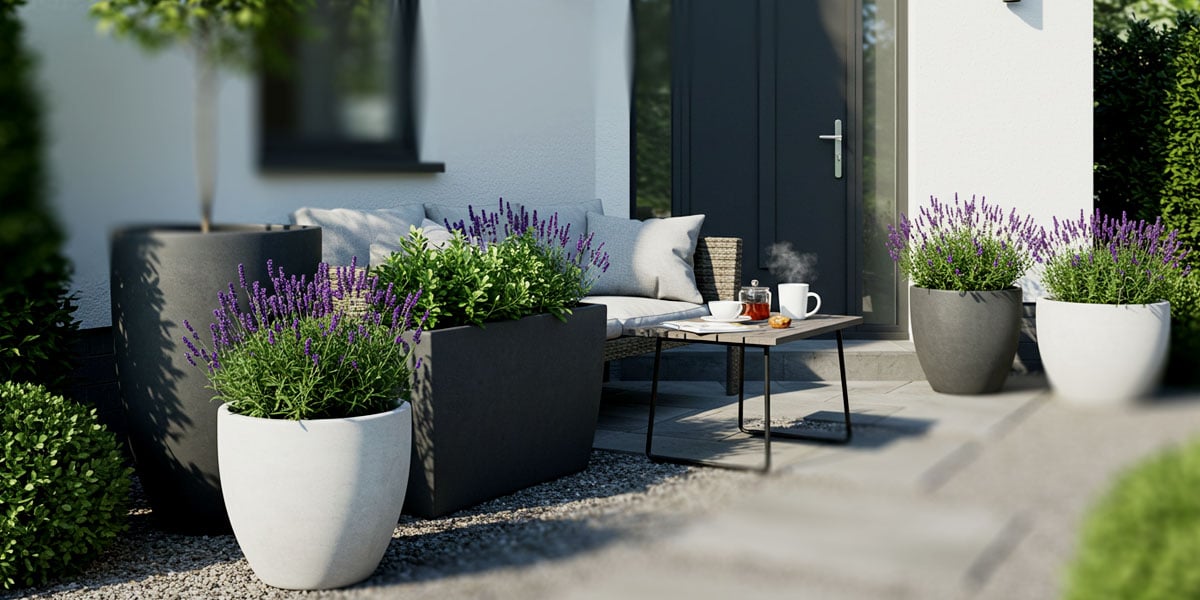
A strong focal point draws the eye and creates a central anchor for the entire yard. In small yards, choosing the right size is critical—a feature should stand out without dominating.
Strategic focal points guide the viewer’s attention while balancing the layout. Think of them as your yard’s opening statement.
Painted planters, colorful chairs, or upright structures like obelisks or archways can serve as eye-catchers. Keep nearby surroundings minimal to let them shine.
Use materials that complement existing architecture to unify the design and create a seamless visual flow.
Choosing the Perfect Small-Scale Landscape Features
Select pieces that fit the landscape scale—under four feet tall, neutral in tone, or translucent materials like glass or resin. Overly large elements shrink the visible space.
Classic statues or abstract forms also make excellent focal items. Choose timeless materials like metal, slate, or hand-finished fiberglass for lasting appeal.
Integrating Artworks, Water Features, or Sculptures
Modern water bowls or slim fountains produce subtle white noise and attract birds. They also help mask city sounds for peace in busy neighborhoods.
Outdoor art blends well when textures and tones coordinate with nearby plants or wall colors. Stick to one or two pieces to prevent overcrowding.
5. Design with Color and Contrast
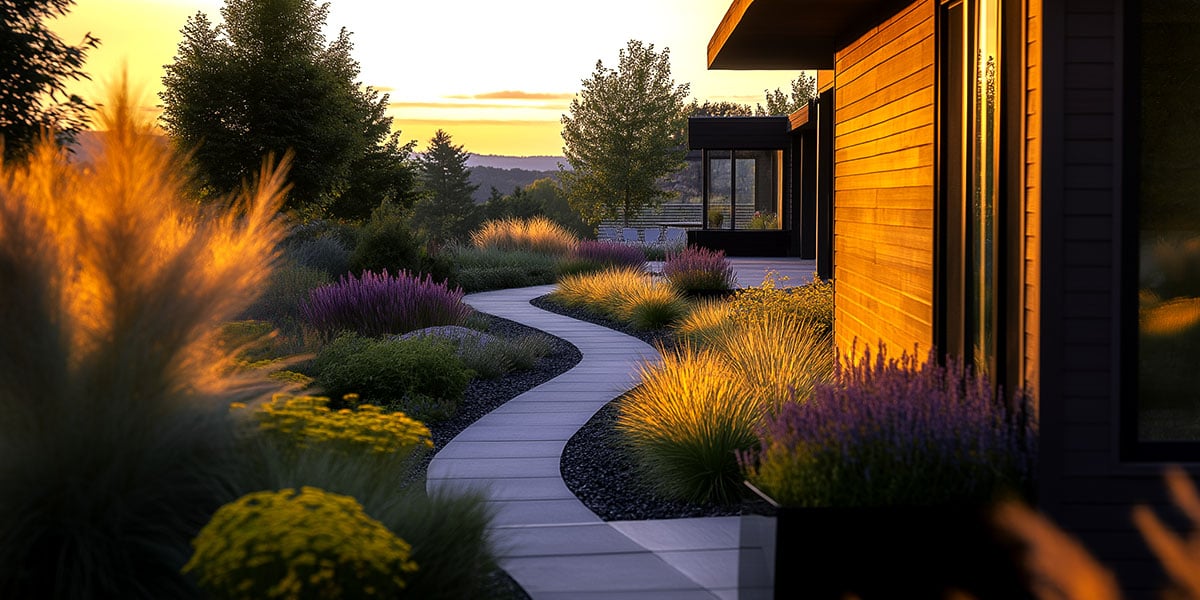 Color strategy is essential in small landscapes to prevent visual blending. Balanced contrast adds energy and draws attention to key areas.
Colors can alter how space feels—cool tones like green or lavender recede to open up a yard, while warmer reds and oranges bring elements forward.
Use both plant color and hardscape finishes to create dynamic pairings. Contrast can exist in leaf shape, flower hue, or material texture.
Balance is key. Too many colors feel chaotic, while just one or two may feel flat. Aim for complementary tones within a controlled palette.
Best Color Schemes for Maximum Impact
Monochromatic schemes—such as greens with silver-gray—feel calm and spacious. Analogous color groups like purple, blue, and green blend harmoniously.
For a bold approach, contrast deep burgundy plants with bright white gravel or fencing. Add glossy black planters for a modern punch.
Creating Contrast with Flowers, Plants, and Hardscape
Pair rounded, lush plants like hydrangeas with stiff, upright grass varieties like blue fescue. The contrast boosts visual interest with very little space taken.
Hardscape features like dark resin walkways or patterned tile insets build appealing intersections between man-made and organic elements.
6. Sustainable Landscaping Techniques
 Sustainable practices protect your yard’s health while reducing long-term labor and cost. These methods also support local ecosystems and minimize waste.
Using local materials and reducing artificial inputs like synthetic fertilizers or pesticides can benefit both your wallet and the environment.
Water conservation is one of the key components. Drought-tolerant planting and rainwater harvesting are effective strategies. Low-maintenance design elements like gravel mulch or native groundcovers further enhance durability while lowering upkeep.
Eco-Friendly Material Choices and Benefits
Choose reclaimed wood for edging and walkways, recycled concrete for stepping pads, and permeable stone options for better drainage.
Fiberglass planters like those offered by Jay Scotts are also sustainable due to their longevity and recycled material content, reducing landfill waste.
Low-Maintenance Native Plant Recommendations
Use plants suited to your zone—lavender, yarrow, and black-eyed Susans are durable in many regions. They require less water and soil enrichment.
To discover more about long-lasting, environment-friendly options, explore EPA’s Greenscaping guidelines for practical guidance.
7. Maximize Functionality with Multi-purpose Elements
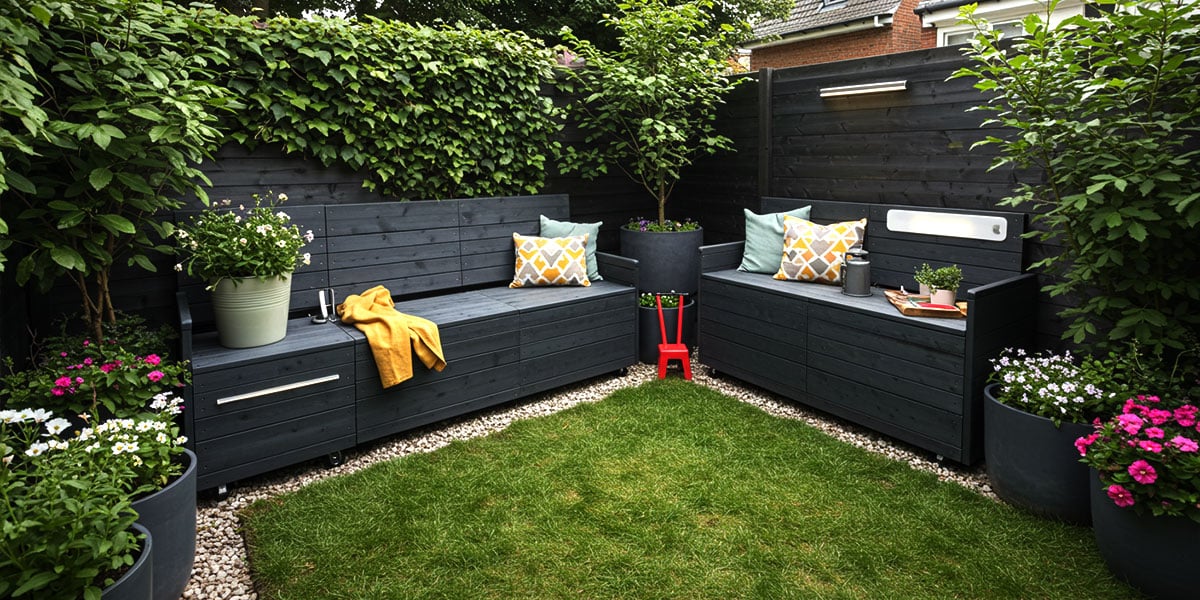
In compact yards, every element should work double-duty. Seats that include storage, planters on casters, or fold-down worktables are game changers.
Well-integrated multi-functionality reduces clutter and increases usability. It can make your yard more versatile, even capable of hosting guests or events.
Look for items with convertible designs, like benches that open for soil storage or decorative elements with lighting built in. Durable, lightweight materials like fiberglass make the switch between uses easier without compromising looks.
Combining Seating, Storage, and Decorative Elements
Install L-shaped built-in seating with planter edges that act as armrests. Include under-seat bins to store tools or watering cans. Use oversized planters to hide irrigation valves or utilities, pairing aesthetics with practical coverage.
Practical Feature Elements for Daily Use
Fold-out tables or pop-up benches elevate your yard from static beauty to indoor-outdoor flow. Choose practical layouts that respond to your family’s needs. For example, use planters that align with outdoor cooking spaces—it’s ideal to combine herbs and function in one place.
8. Optimize Privacy with Thoughtful Planting
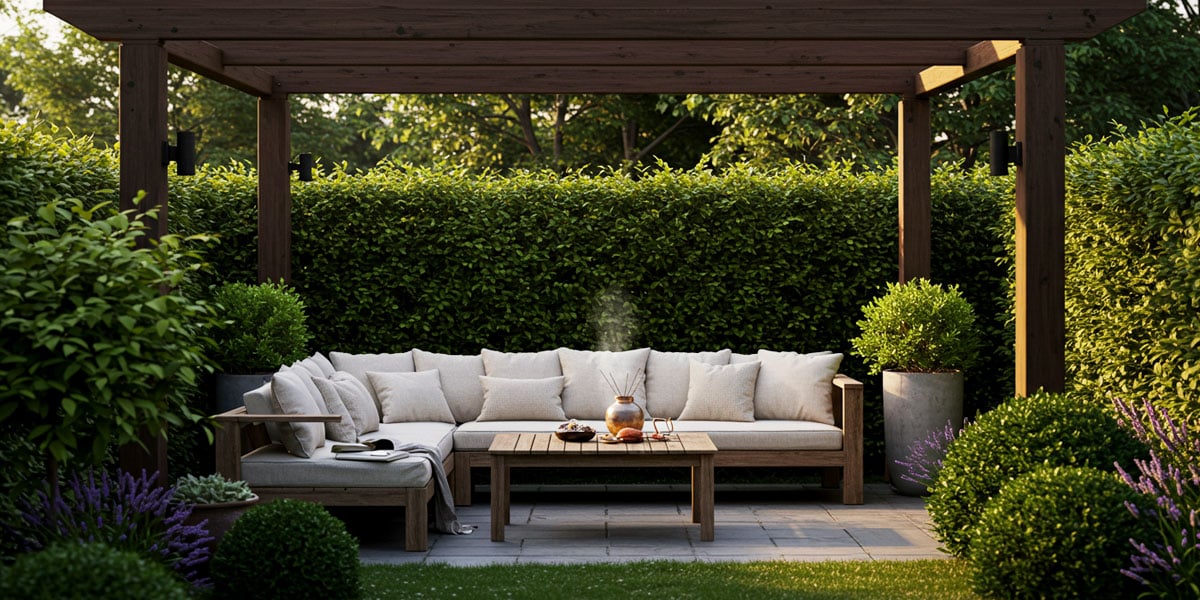
In neighborhoods with homes close together, privacy becomes a luxury. Smart plant choices can provide much-needed seclusion without blocking light.
Plants grow into natural fences over time, offering seasonal style and noise reduction. This avoids the harshness some fences deliver visually. Vine-covered trellises or layered hedge rows are elegant solutions that double as green backdrops. Denser plants also help block wind and filter air pollution, adding comfort alongside privacy.
Choosing Dense Plants and Screening Shrubs
Use fast-growing, non-invasive screens like arborvitae, bamboo (clumping type), or boxwood hedges. They provide evergreen foliage with minimal trimming. Layer lower plants in front, like dwarf nandina or loropetalum, to soften the look over time.
Privacy Landscaping Ideas for Busy Neighborhoods
Use slatted screens with planter boxes to create quick privacy barriers. Add climbing vines for more greenery and seasonal interest. For more examples of small-yard barrier solutions, check this guide on small yard privacy screens.
9. Illuminate Your Small Front Yard Elegantly

Good lighting enhances safety, mood, and beauty. For small yards, focus on layering soft light rather than using one harsh spotlight.
Use low-voltage LED systems which are energy-efficient and easy to install. Highlight feature plants or set subtle glows along paths.
Avoid lighting everything—concentrate on three focal points such as an entry door, central plant, and walkway for best visual depth. Timers or solar-powered fixtures can boost reliability with low upkeep.
Cost-Effective Lighting Solutions
String lights, solar lanterns, and battery-powered uplights are affordable options that still add ambiance.
Choose warm lights for a soft tone. Install motion sensors around walkways for added security without keeping lights on all night.
Types of Outdoor Lighting to Highlight Your Landscape
Use up-lighting to dramatize trees or sculptures. Down-lighting from walls can softly brighten flower beds at night.
In-ground lights along curves guide the eye and improve safety without obstructing visual lines.
10. Incorporate Creative Containers and Planters
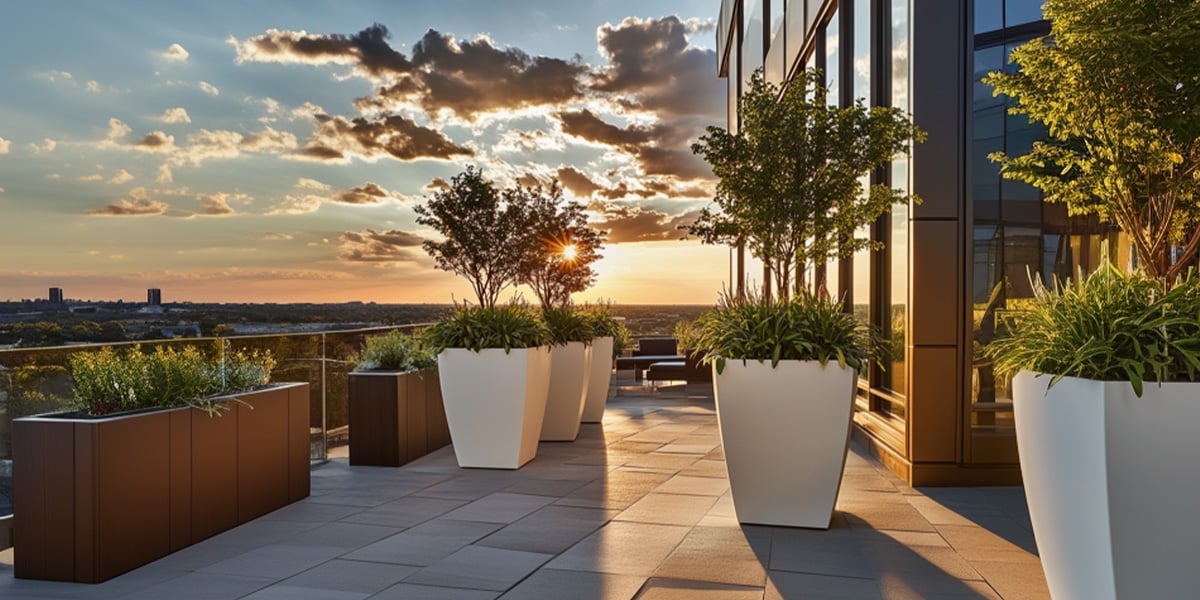
Containers are flexible, portable, and add three-dimensional interest. With creative placement, they can reshape how a small front yard feels.
Use planters to frame entrances, divide zones, or emphasize height differences in terrain. Uniform containers create consistency, while varied ones bring energy.
Choose durable, frost-resistant options to avoid seasonal replacements. Fiberglass planters offer luxury finishes with unmatched longevity.
Mixing tall and low containers adds rhythm and helps divide space visually without building.
Selecting and Positioning Containers for Aesthetic Impact
Choose shapes that reflect your house’s architecture—rectangles for modern homes, rounds for traditional styles. Group containers in odd numbers for a balanced feel.
Set large planters in corners or borders; use small pots along stairways and windowsills for subtle greenery touches.
Best Plants for Container Landscaping
Opt for dwarf evergreen shrubs, trailing annuals, and herbs. These provide color and aroma in part-sun areas all year round.
To explore premium planter options for container landscaping, check out these fiberglass planters for refined curb appeal.
Frequently Asked Questions About Small Front Yard Landscaping
What plants look best in small front yards?
Compact, multi-seasonal plants like boxwood, lavender, calibrachoa, Japanese maple, and ornamental grasses are excellent for limited yards. They offer structure and vibrant visuals without taking up large spaces.
How can I landscape my small yard inexpensively?
Use native plants, DIY mulch, and second-hand containers to save money. Consider simple upgrades like painted edging bricks or reused wood for raised beds.
How do I create the illusion of more space in my front yard?
Create depth using curved walkways, layered plants, and vertical elements. Limiting color palettes and keeping lines clean also helps boost spaciousness visually.
Should I hire a professional or DIY landscape my small front yard?
DIY works well for basic layouts and plantings, but complex projects may benefit from hiring pros. For customized designs or drainage issues, consult a licensed landscape designer.
Our Unique Approach to Small Front Yard Landscape Design
Customized Designs Tailored to Your Space and Style
We don’t believe in one-size-fits-all. Every design is crafted to maximize the potential and character of your space through strategic layout, color, and plant selection.
Expert Tips from Our Experienced Landscape Designers
Our team works with your goals, climate, and budget in mind. We create visually stunning but functional yard spaces built to last through the seasons.
Why Our Clients Love Our Small Front Yard Solutions
From concept to completion, we streamline the project process so there’s less stress and more joy in owning your beautiful yard. Our clients love the thoughtful, low-maintenance results that reflect their home’s personality.