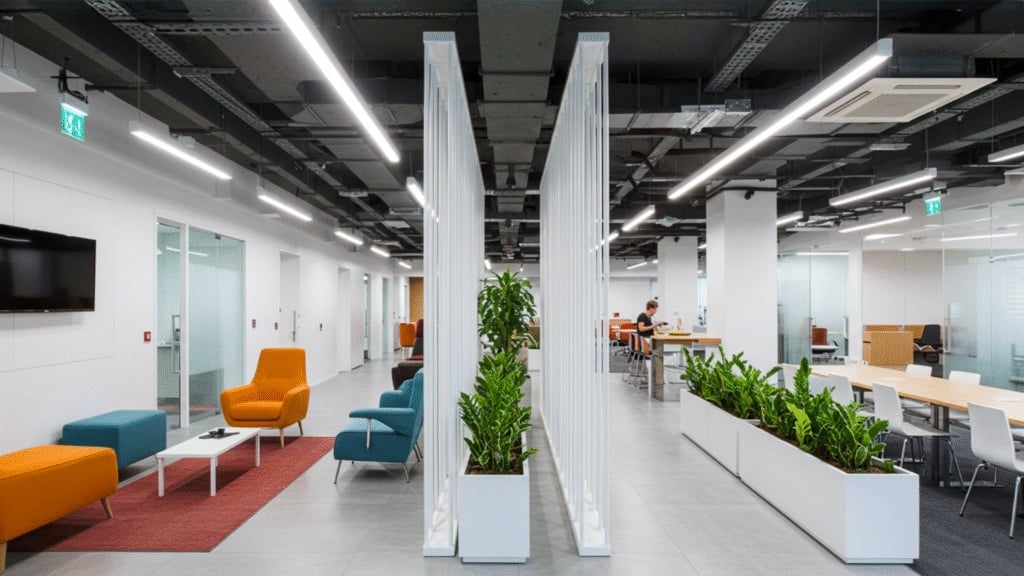
Mid Century Design Ideas with Planters offer timeless elegance paired with organic warmth. Whether indoors or out, the clean lines and geometric shapes of this era can be powerfully enhanced using planters selected with purpose and style.
This guide reveals practical ideas for using Mid Century-style planters to elevate professionalism in interior and landscape design. Wait until the end; it’s very interesting!
Table of Contents
How Can I Elevate Interiors with Mid-Century Planters?

Mid Century planters create cohesion between modern furnishings and nature-inspired forms. Their geometric silhouettes and neutral finishes align with popular materials like walnut, teak, and low-profile sofas, offering balance and contrast. Incorporating planters brings an elegance that softens harder architectural elements in homes or hospitality spaces.
Designers can choose from bowl-shaped pots, tapered cylinders, or tall angular forms to match existing furniture lines. These planters also double as sculptural pieces, delivering both greenery and visual harmony. By echoing furniture tones in the finish, they feel like a seamless extension of the room.

Positioning planters near key furniture such as credenzas, reading chairs, or console tables amplifies this design language. It also encourages biophilic design, appealing to guests or clients seeking healthy spaces. Planters act as subtle dividers or focal accents within open-plan layouts.
Layering planter heights has functional and stylistic importance. Low bowls work well on tables, while tall, slim planters elevate plants in corners or entryways. The effect? A more curated and composed space that embraces Mid Century simplicity.
Incorporating Mid Century Planters with Modern Furniture
Matching modern furniture with planter styles requires balance in shape, color, and material. Walnut bookshelves and leather loungers pair naturally with matte black or soft white fiberglass planters. If your interior leans modern minimalism, round or saucer-style planters add a mid-century softness.
Placement is key – try framing a modular couch with symmetrical tall planters or placing low-profile planters beneath floating shelves. These visual rhythms enhance symmetry and calm. Choose legged planters or those with wood stands to complement iconic furniture legs from the same era.

Choosing the Right Planter Style for your Theme
The planter form you select should reflect your space’s dominant aesthetic. If muted tones dominate, choose planters in warm greys, creams, or soft greens. For a bolder Mid Century palette, consider burnt orange, mustard, or avocado finishes—these nod to historical color trends.
Planters with a textured surface such as the Spiral Modern Planter or handcrafted finish add vintage authenticity. Using customizable fiberglass planters allows industry professionals to select from varied textures, Glossy to Matte, Satin to Hammered. These features cater directly to project themes in commercial or residential spaces.
What are some Statement-Making Floor Planters?
Large floor planters like the Selenge Extra Wide are essential in Mid Century design because they define zones and introduce height. They bring balance to the mixed-use layouts often found in stylish homes and modern hospitality venues. Choosing statement planters ensures the greenery doesn’t just fill a gap—it shapes how the space feels. Features to look for include wide brims, tripod legs, and cylinder silhouettes.
These forms echo the architectural symmetry of Mid-Century and support lush foliage like snake plants or rubber trees. Attention to finish and scale ensures they carry visual weight without overpowering the room. Groupings of two or three create a curated look that works well in building lobbies or lounge areas. Symmetry is foundational to Mid Century decor, so tall floor planters at entry points help frame important visual perspectives. This technique also encourages foot traffic flow in commercial environments.
Trade professionals often need scalability, and that’s where custom-sized fiberglass planters shine. They can be adapted to specific dimensions, maintaining proportion while achieving the desired impact across multiple properties or large corporate settings.
Highlighting Large Plants for a Bold Impression
Floor planters naturally pair with standout plants like fiddle leaf figs, palms, or monstera. Their size adds vertical interest and amplifies architectural height. In branded environments, green features using these forms boost visual storytelling and mood. Selecting plants with sculptural forms honors the Mid Century goal of blending function and beauty. The dramatic leaves of philodendrons or bird of paradise contrast beautifully against angular planter shapes, enhancing modernist storytelling through scale and shape.
Selecting Materials and Shapes to Complement Mid Century Aesthetics
Choose fiberglass materials with matte finishes or warm tones that echo wood and stone textures used in classic Mid Century homes. These surfaces reduce glare and feel more organic, making them ideal for homes, boutique hotels, or high-end restaurants.
Tapered and flared shapes best reflect this era’s legacy, especially when used in repeating forms or aligned in linear corridors. Consistency in shape tells a visual story – think of grouping planters in a lobby using varied heights but matching finishes.

How Can I increase Space with Wall-Mounted Planters?
Wall-mounted planters free up floor real estate while still enhancing the spatial environment. In smaller dining rooms, offices, or hotel corridors, vertical greenery maximizes impact without cluttering circulation pathways. The Mid Century aesthetic – focused on function and clarity – is reinforced through vertical design. Mounted planters can create artistic living walls or subtle organic accents. Designers can incorporate these into built-ins, room dividers, or structural columns. This supports clearer transitions between zones in residential or commercial interiors.
Fiberglass wall-mount planters are especially useful for their lightweight strength. They accommodate higher placements and are resistant to water damage – essential in hospitality or high-traffic retail environments requiring safety and durability.
Creative Ways to Display Plants Vertically
Use staggered placements, grid formations, or asymmetrical lines to introduce movement and visual rhythm. Mid Century designers often emphasized layering and geometry—these spatial plant displays mirror that approach. Pairings like succulents in minimalist sconce-style planters or trailing vines in rectangular troughs suit different zones. For example, install cascading pothos behind a reception desk as a green, branded statement.
Syncing Wall Decor with Mid Century Planter Designs
Coordinate wall planters with art frames or wall trim to create harmony. Planter colors can mirror existing hues in artwork or furnishings. For a bold Mid Century touch, try modular arrangements in colors like ochre, rust, or teal. Materials matter – fiberglass planters with wood grain or metallic finishes offer texture contrast while maintaining durability. These combinations establish thoughtful, layered visual effects suitable for professional spaces with branding requirements.
Corner Spaces: Underrated Mid Century Design Opportunities

Mid Century interiors often include clean, low furniture and open layouts—making corners prime territory for accent pieces like planters. Unused corners can be transformed into calming sanctuaries with minimal additions. Fiberglass planters in hourglass or drum shapes naturally fit corner angles, softening sharp architectural lines. When placed in corners of living rooms or offices, these planters provide vertical balance and animate otherwise ignored zones.
Grouping corner planters with varying plant heights introduces rhythm. For instance, combine a tall plant in the back with medium ferns and low cacti in front. This method enhances depth and visual storytelling in tight spaces. Add lighting above or beneath planters for evening hours, especially in hospitality settings. LED spotlights or wall sconces behind planters accentuate their texture and form, helping the design feel deliberate and immersive.
How Planters Transform Unused Corners
Unused corners tend to visually shrink a space or create imbalance. A well-chosen planter can anchor that edge, giving it purpose and visual meaning. Even in small condos or hotel rooms, a planter adds presence without requiring structural changes.
Professionals handling boutique businesses should look for narrow-base planters that use verticality, such as tapered tall cylinders. These serve both functional greenery and architectural refinement.
Selecting Planters that Enhance Spatial Harmony
Planters with soft edges, gentle tapers, or round bases minimize visual clutter. Use finishes that blend well with wall colors or flooring to maintain uninterrupted design lines. For example, matte neutrals blend seamlessly into corporate environments. Keep plant selection consistent with overall themes – choose vertical trailing plants for organic flow or structured foliage like ZZ plants for a Mid Century silhouette. These choices affect room psychology and user engagement.
What are some Outdoor Mid Century Planter Ideas?
Outdoor areas – patios, rooftops, poolsides – are ideal for showcasing iconic Mid Century shapes on a larger scale. Use symmetrical planter layouts to define seating areas, walking paths, or entry focal points in courtyards or hospitality environments.

Indoor-outdoor lifestyle design now dominates the luxury market, and planter patios are part of that trend. Mid Century outdoor designs include repetition of clean shapes and integration into landscape lines, making planters a natural fit. Designers sourcing for resorts or dining patios should focus on proportion and weather durability. Raised planters for herbs, privacy-row planters, or oversized bowls for trees all reflect core Mid Century concepts. Color finishes like charcoal matte, brushed bronze, or bold primaries pair well with stucco walls, glass doors, and vintage furniture. This aesthetic remains fresh and iconic in warm climates or subtropical landscapes.
Strengthening Outdoor Spaces with Distinctive Designs
Mid Century outdoor planters often act as transition points between hardscape and softscape. Grouping multiple planters by doorways or along pool decking creates a welcoming rhythm and visual guidance.
The Best Weather-Resistant Planter Materials and why Fiberglass is Best
Fiberglass is preferred for large-scale outdoor projects due to its long-term resistance to UV, frost, and moisture. Unlike concrete or metal, it won’t crack or rust, making it ideal for poolside and garden environments. It’s lightweight, allowing easy transport even in rooftop or patio designs. Trade professionals appreciate the wide color selection, ensuring the planter stays beautiful with minimal maintenance season to season, according to the NRCA.
Integrating Mid Century Planters into Rooms
Each room presents unique ways to include Mid Century fiberglass planters. In shared environments like dining and living rooms, they enhance flow and soften architectural transitions. In work zones, planters support focus and reduce stress by connecting occupants with biophilic elements. Designers customizing high-end interiors must consider planter finish, lighting, and plant type for each room. Mid Century style favors structured plants and classic forms – elements that bring grounded energy to contemporary layouts.

Dining Room and Living Room Styling Tips
Use low-profile planters on credenzas or window ledges for easy visual flow during meals. Pair with wood tones or glass tables for a simple but elevated look. In larger spaces, flank sofas or lounge chairs with taller planters featuring snake plants for sculptural symmetry. Consider using matching fiberglass planters in a trio along the back wall of a dining area for strong horizontal alignment. This subtly directs visual attention while reinforcing clean Mid Century lines.
Bedroom and Home Office: Creating Calmness and Productivity
In bedrooms, use planters with soft silhouettes and muted finishes to maintain tranquility. Plants such as rubber trees and peace lilies enhance air quality without needing too much light. Their upright shape complements low-profile nightstands or shelving.
Home offices benefit from greenery too. Place a narrow fiberglass planter with tall foliage near your desk to create a visual break between work tasks. Research from the American Society of Horticulture shows measurable productivity benefits of indoor plants.
How Do I Maintain Fiberglass Art Deco Planters?
Proper maintenance keeps fiberglass planters beautiful and intact for decades, even with frequent use. Regular cleaning with a damp cloth and mild soap prevents buildup of dust or residue. Avoid harsh chemicals or abrasive tools as they can damage the finish. For outdoor models, rinse with water monthly to remove dirt buildup, especially after seasonal changes.

Essential Care and Cleaning Tips
Use only non-abrasive sponges and gentle soap. For glossy surfaces, use microfiber cloths to avoid scratches. Spot test any new cleaning solution before full use. If your planter has a textured finish, vacuuming with a soft brush attachment can remove dust from detailed surfaces without damage.
Preserving Planters Long-Term for Lasting Beauty
Store empty planters indoors during extended off-seasons or rainy months. Ensure there’s proper drainage in outdoor setups to prevent puddling and water stress.
For UV protection, especially in sunny climates, select planters with added UV inhibitors or wax-coat finishes. This helps fibers stay resilient year after year.
Our Unique Approach
Why Choose Jay Scotts Mid Century Planters
If you’re planning multiple builds or upgrading a large commercial site, our Mid Century fiberglass planters offer unmatched quality. They are crafted for professionals managing long-term installations that require both beauty and practicality. From rooftop lounges to resort pools, our pieces adapt to demanding climates and size requirements without losing elegance or performance.
Authentic Craftsmanship and Attention to Detail
Each planter is hand-finished, ensuring consistent color, texture, and quality across multiple units or orders. Our production process prioritizes precision so every planter meets exact specifications. We collaborate with clients to provide scaled mockups and renderings during the quoting process, ensuring cohesive integration into larger design projects.
Sustainable Materials and Environmental Responsibility
We use eco-conscious resins and minimize waste with just-in-time manufacturing. Our lightweight planters reduce fuel emissions during shipping and installation. Industry professionals seeking LEED-compliant solutions can benefit from our planter line while aligning with green building goals.
Personalized Recommendations from Design Experts
Our experienced team works directly with designers and architects to match size, shape, finish, and installation needs. Whether you need one prototype or a rollout plan for 200 units, we’re here to help. Explore our full range of design support offered through our planter project consultation to streamline delivery and execution.