Evergreen planters bring year-round vibrancy to outdoor and indoor spaces, blending beauty and practicality with their lasting greenery. Whether you’re styling a modern patio or creating a welcoming entryway, these planters offer structure and consistency that seasonal containers cannot.
From expert plant pairings to choosing the perfect container, this guide covers everything you need to create long-lasting and elegant evergreen container designs. Stick with us till the end; the last insight is truly revealing!
Table of Contents
Understanding Evergreen Planters
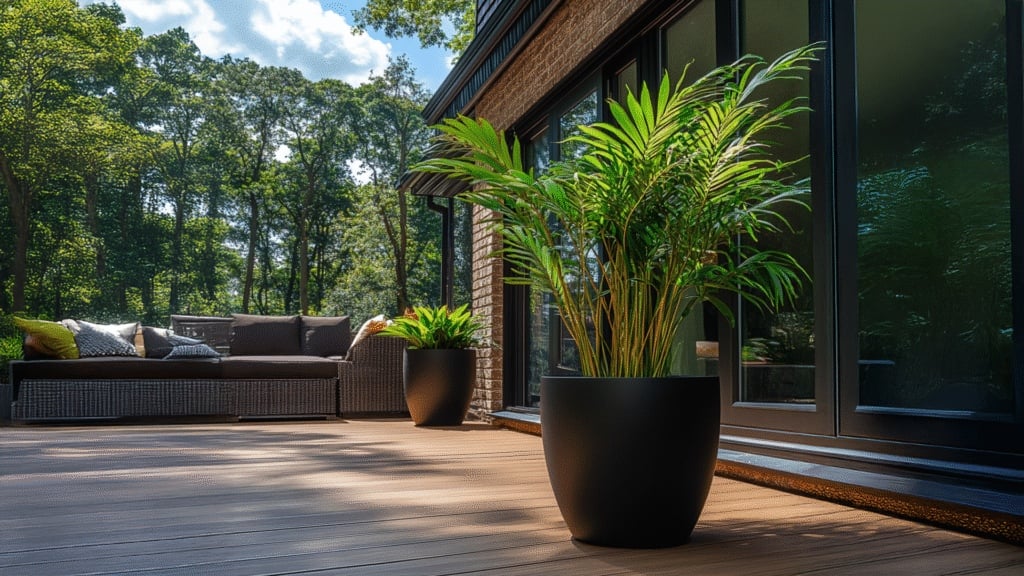
Evergreen planters are a thoughtful combination of hardy, year-round greenery and durable containers designed to withstand the elements. These arrangements typically feature plants that retain their foliage and color through all four seasons – offering structure, vibrancy, and curb appeal even when other vegetation goes dormant.
Common plant choices include low-maintenance shrubs like boxwood and pieris, compact conifers such as dwarf Alberta spruce or juniper, and evergreen ground covers that add softness and texture.
But the planter itself is just as important as the plant inside it. Since these arrangements are meant to stay outdoors through changing weather conditions – freezing winters, hot summers, rain, and wind – it’s essential to choose a container material that can handle the demands of year-round exposure.
What Are Evergreen Planters?
Evergreen planters combine plants that retain their color and leaves year-round with containers suitable for long-term use. These include shrubs, dwarf trees, and ground-covers specifically selected for their hardiness and visual appeal.
You can use materials such as fiberglass, wood, or stone containers that support the plant’s root systems through changing weather. Proper design ensures that the planter showcases the evergreen plant while protecting it from harsh conditions.
Why Choose Evergreen Plants for Containers?
Choosing evergreen plants allows you to skip the hassle of replanting seasonally. Their consistent appearance helps establish a solid base for additional decorative elements, such as seasonal flowers or lights. Another benefit is their structural appeal – many evergreen plants have sculptural shapes that suit contemporary and classical designs alike.
This makes them an easy favorite among landscape designers looking for low-maintenance yet impactful solutions.
What are the Benefits of Evergreen Planters?
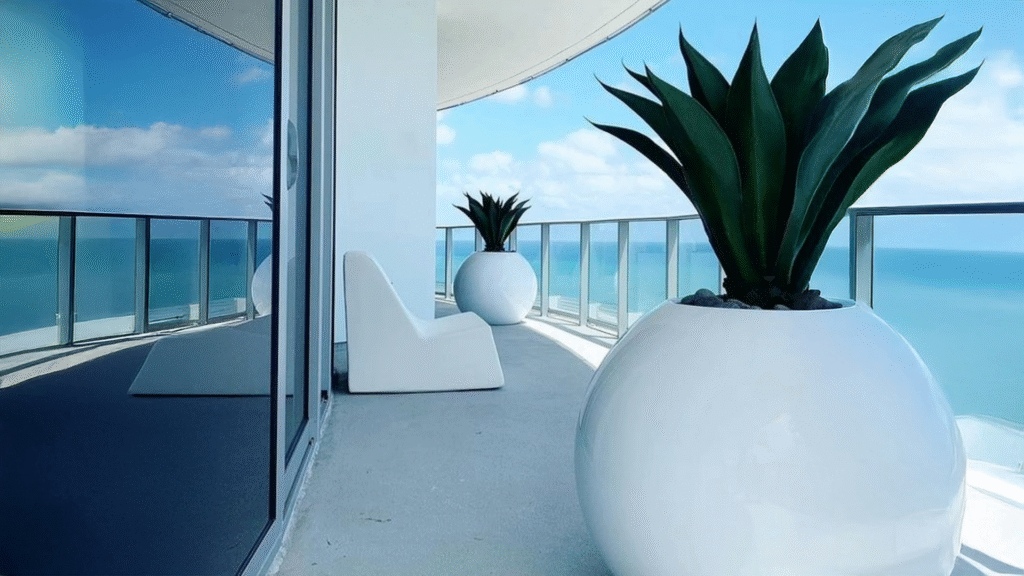
Good evergreen planter design balances both form and function. The planter should complement the aesthetic of the space – whether it’s a minimalist patio, a traditional entryway, or a commercial rooftop – while also supporting healthy plant growth.
Proper drainage, insulation, and size are crucial for preventing root rot and giving the plant room to grow. Many designers also elevate the look by combining different textures, planter heights, and evergreen varieties to create layered, visually interesting displays that remain attractive throughout the year.
Whether you’re looking to soften a building entrance, frame a seating area, or simply add lasting greenery to a space, evergreen planters are a smart, stylish, and low-maintenance solution – especially when paired with high-quality containers built to last.
Year-Round Greenery
Maintaining a splash of vibrant green even during winter gives your space a consistent and inviting look. This is particularly beneficial in public or hospitality spaces that need to remain polished at all times.
The visual stability also complements other design elements like hardscaping or architectural features, ensuring your planters always look intentional and refined.
Low-Maintenance Gardening
Evergreens typically require less frequent care than flowering annuals. Most are naturally drought-tolerant or adaptable to urban conditions, reducing labor and maintenance costs over time.
This is especially important for landscape architects and commercial designers managing large-scale installations. A well-planned evergreen planter will thrive with seasonal touch-ups and basic upkeep.
Improving Your Outdoor Design
Planters filled with evergreens help define spaces and guide foot traffic in residential, commercial, and hospitality settings. Their dense foliage can serve as portable privacy screens, edge markers, or statement pieces.
Professionals looking to enhance outdoor experiences often use evergreens to anchor multi-level plant designs. Their structure and color offer contrast to seasonal flowers and foliage, increasing visual interest.
How to Choose the Right Container for Your Evergreen Planters
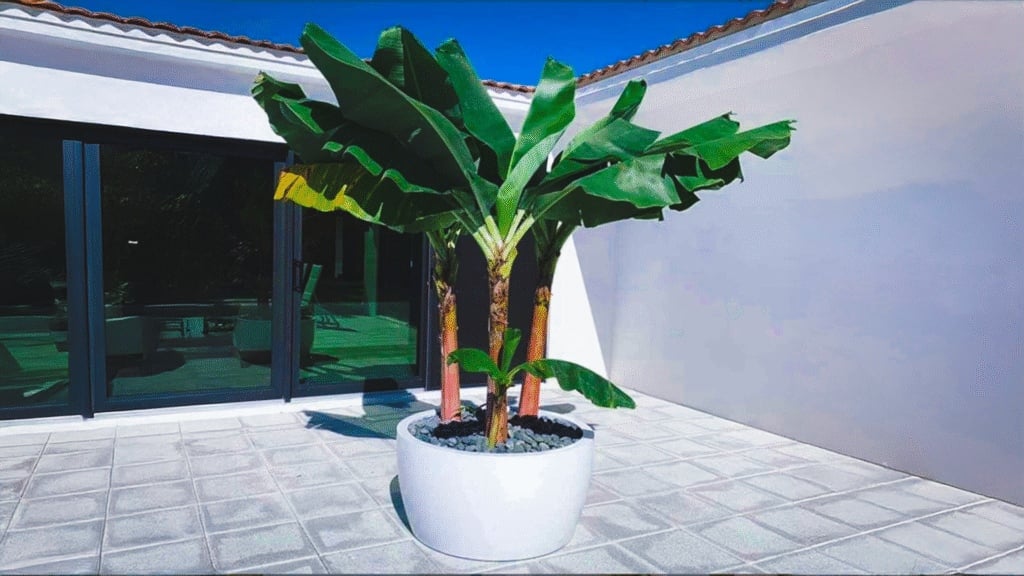
Selecting the correct container directly impacts plant health and aesthetic appeal. Consider size, durability, drainage, and appearance when evaluating your options. Choices in material and finishes help match the container with your architectural style.
What Types of Containers Do I Need? (Materials & Design)
Materials like wood, stone, and fiberglass are commonly used, but they each perform differently over time:
Fiberglass planters, by contrast, are engineered for performance. They are lightweight for easy relocation, resistant to cracking and UV degradation, and completely non-porous – meaning they won’t absorb water that could freeze and expand.
These qualities make fiberglass one of the most reliable choices for evergreen arrangements, especially in climates with fluctuating weather conditions. Some great Evergreen planters include the Hudson Extra Long Planter or Hayden Tapered Round Planter.
Wood planters, while attractive, are prone to rot, warping, and splitting if not treated or maintained properly – especially in wet or humid environments.
Stone planters offer excellent stability and insulation, but they are extremely heavy and can crack during freeze-thaw cycles if moisture gets trapped.
Proper Sizing & Drainage Considerations
A container must be deep and wide enough to support root growth over several years. Evergreen plants grow slowly but steadily, so undersized containers can stress the plant and stunt its growth. Drainage holes and fast-draining soil mixes are essential to prevent water retention and root rot. Adding a layer of gravel or mesh at the bottom improves drainage and extends the lifespan of the planter.
What are the Best Evergreen Plants for Container Gardening?
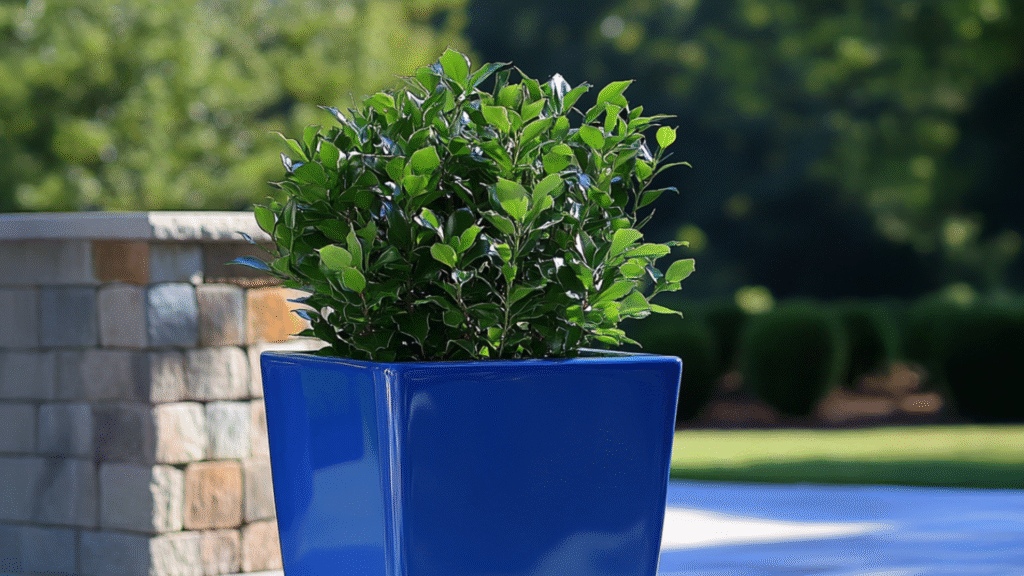
Choosing the right plants is key to building a resilient and appealing container garden. Focus on slow-growing species with compact forms, as they adapt better to confined root systems and resist weather extremes better.
Compact Evergreen Shrubs
Boxwood (Buxus Sempervirens): This classic shrub offers clean lines and is ideal for formal planter arrangements. It tolerates pruning well and can be shaped into topiaries or low hedges.
Dwarf Alberta Spruce: Its conical form and dense needle structure make it a striking centerpiece in outdoor winter displays.
Pieris Japonica: This broad-leaf evergreen adds seasonal interest with pinkish buds and cascading white flowers in late winter or early spring.
What Evergreen Trees are Ideal for Planters?
Japanese Holly (Ilex crenata): Known for its small, boxwood-like leaves, this tree maintains its form while offering deep green tones and small black berries in fall.
Bay Laurel (Laurus nobilis): Not only aromatic and culinary-friendly, but also adds a Mediterranean touch to terraces or patios.
Dwarf Conifer Species: Pines, firs, and spruces in dwarf varieties lend strong architectural form and are often used in modern commercial landscaping.
What are some Beautiful Evergreen Grasses & Ferns?
Carex Evergreen Varieties: These ornamental sedges combine gentle texture with year-round color, ideal for softening edges of modern containers.
Festuca glauca (Blue Fescue): Its icy-blue foliage contrasts well with dark planters and works beautifully in sunny locations.
Polystichum Munitum: Also called Western Sword Fern, it’s a tough native option for shady settings and adds lush volume without crowding.
Expert Tips for Successfully Maintaining Evergreen Planters
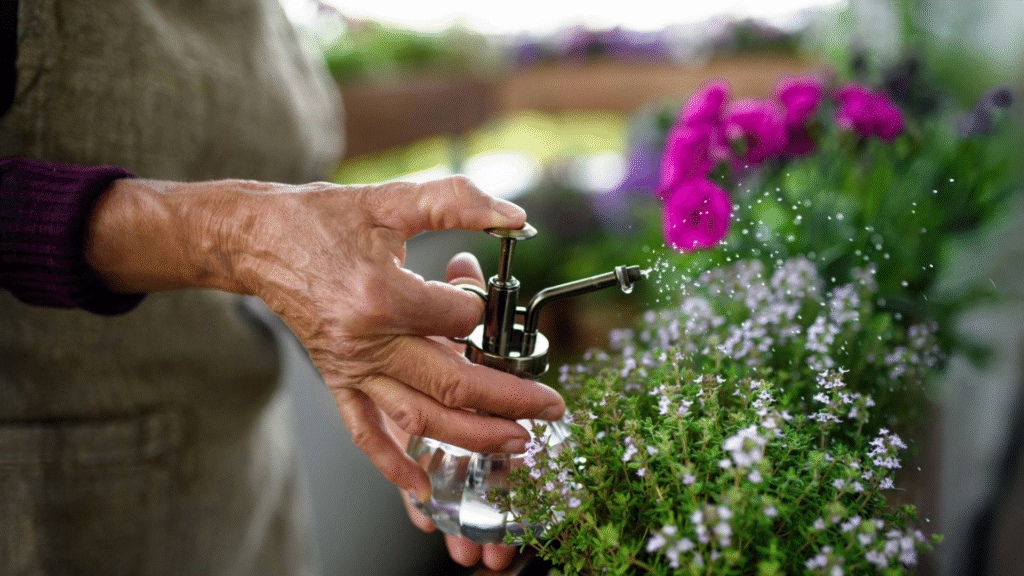
Keeping evergreen planters vibrant requires thoughtful maintenance routines and seasonal adjustments. How you water, feed, prune, and protect your plants affects their long-term health.
Watering and Drainage Recommendations
Over-watering is one of the most common mistakes in evergreen container gardening and can quickly lead to root rot, stunted growth, or plant failure. Unlike many tropical plants, most evergreen species prefer their soil to dry out slightly between waterings. Daily watering is rarely necessary and often counterproductive.
Instead, monitor the soil by checking the top inch—if it feels dry to the touch, it’s generally time to water. Just as crucial as your watering routine is the container’s ability to drain properly. Always choose planters with sufficient drainage holes to allow excess water to escape freely.
In climates with regular rainfall or high humidity, elevate the planter slightly with risers or feet to prevent pooling underneath, which can saturate the roots.
Fiberglass planters are an especially smart choice here—not only are they durable and lightweight, but they also allow drainage holes to be added during production or installation without compromising the structural integrity of the container. This makes them an ideal material for long-term evergreen health and root protection.
With the right balance of drainage, elevation, and smart watering habits, your evergreen planters will stay vibrant through every season.
Fertilizing and Soil Health
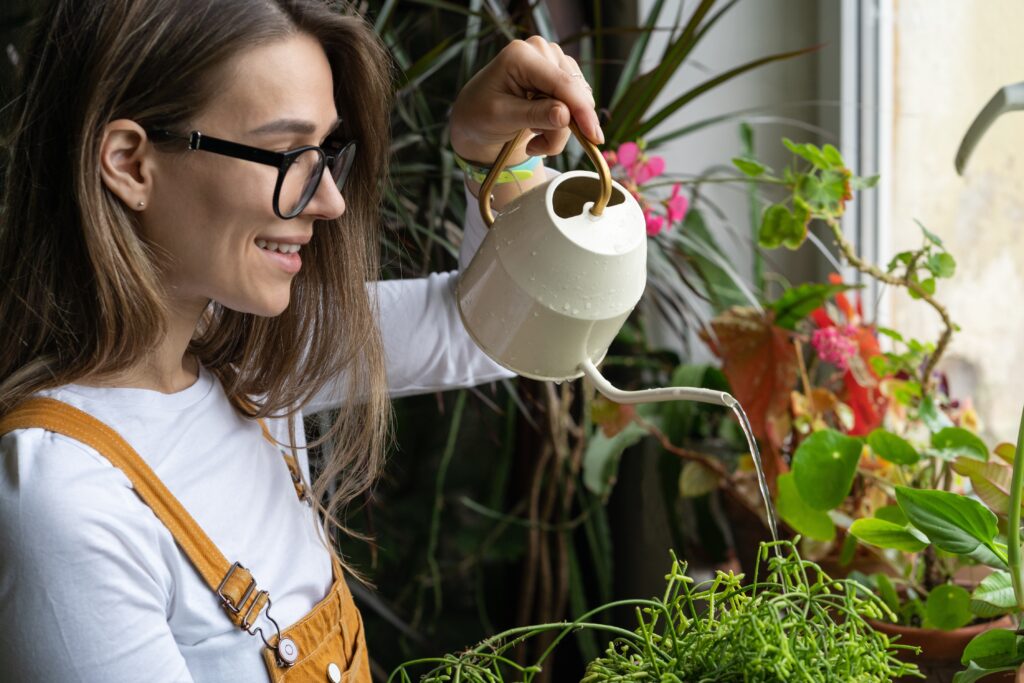
An annual application of slow-release fertilizer helps maintain vibrant foliage. Balanced formulations with nitrogen, phosphorus, and potassium are usually ideal. Check for signs of nutrient stress, such as yellowing leaves or leggy growth, and amend the soil as needed to replenish essential minerals.
Seasonal Pruning & Upkeep
Pruning helps maintain shape and supports healthy airflow. Trim back damaged or dead branches in late winter or early spring for best results. Remove debris regularly to avoid pests and keep the display tidy. Mulching the soil surface also helps retain moisture and suppresses weeds.
Protecting Evergreen Planters in Winter
In colder climates, insulate containers with bubble wrap or place them near sheltered walls for added protection. Root systems are especially vulnerable if containers freeze solid. Switch to watering only when the soil is dry and temperatures are above freezing. Avoid applying fertilizer late in the season to prevent tender new growth before frost.
What are some Common Mistakes to Avoid with Evergreen Planters?
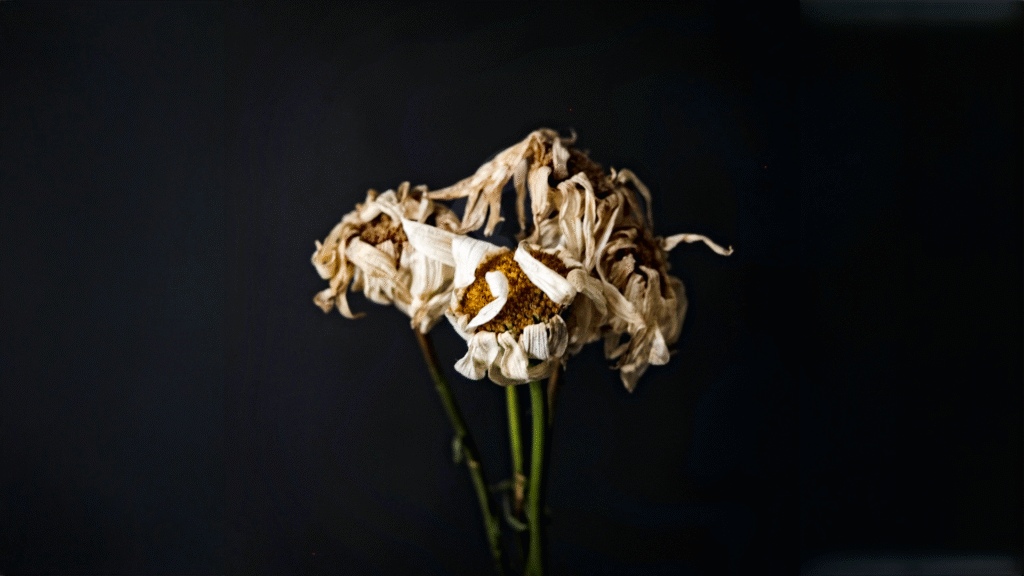
Several issues can compromise your evergreen planters’ longevity and appearance. Preventing these issues comes down to proper planning and routine care.
Overwatering & Root Rot Prevention
Installing containers without drainage or using soil that holds too much moisture leads to root rot—a deadly condition for evergreens. Always elevate outdoor planters and monitor rainfall. During rainy months, reduce your manual watering schedule accordingly.
Choosing Plants Unsuitable for Containers
Some evergreens grow large over time or develop extensive root systems unsuitable for containers. Avoid fast-growing conifers or moisture-dependent ferns unless you commit to regular repotting. Choose naturally compact species or dwarf varieties specifically bred for container gardening. This supports plant health and simplifies maintenance.
Neglecting Proper Light Conditions
Not all evergreens thrive in full sun or deep shade. Misplacing sun-loving species in shaded areas (and vice versa) leads to leaf drop or slow growth. Match plant choices to their location – west – or south-facing balconies are best for sun-tolerant plants, while east-facing patios are suitable for shade-friendly varieties.
Creative Evergreen Planter Combinations & Arrangements
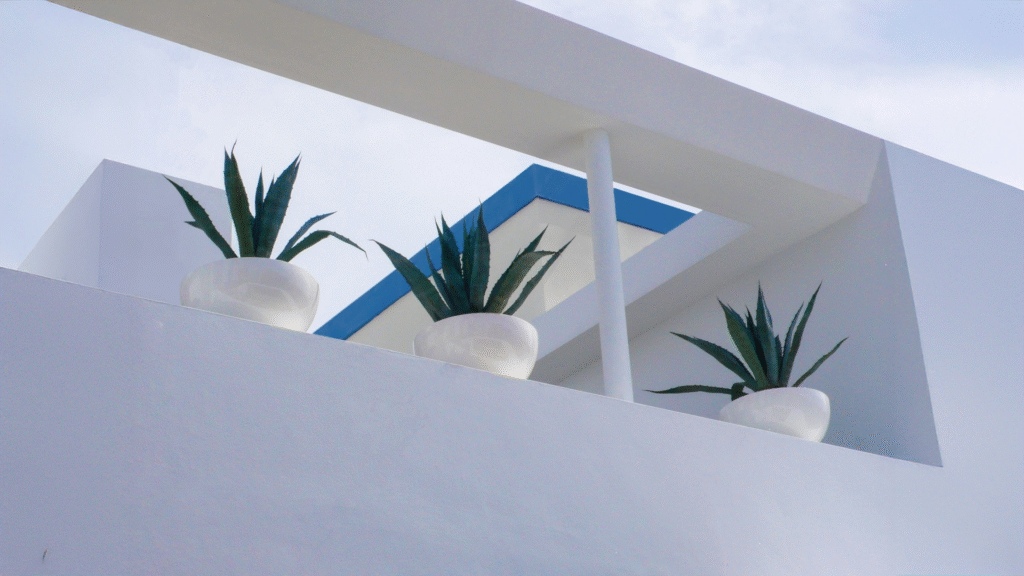
Designing successful evergreen planters involves matching form, color, and growth habits. This helps ensure your container remains attractive throughout the year.
Creating Eye-catching Color Contrasts
Creating visual interest with evergreen planters often comes down to contrast – in both color and texture. One effective strategy is to pair dark-leaved evergreens like Japanese Holly or Cherry Laurel with plants that offer lighter, more eye-catching tones.
For instance, the smoky blue tufts of Blue Fescue or the fine, silvery strands of Helictotrichon (Blue Oat Grass) create a striking interplay against the deep greens of a Boxwood backdrop. Gold-tipped conifers like Juniper ‘Gold Star’ or Chamaecyparis ‘Golden Mop’ can add a warm, sunlit accent to an arrangement, especially when nestled among denser, darker foliage.
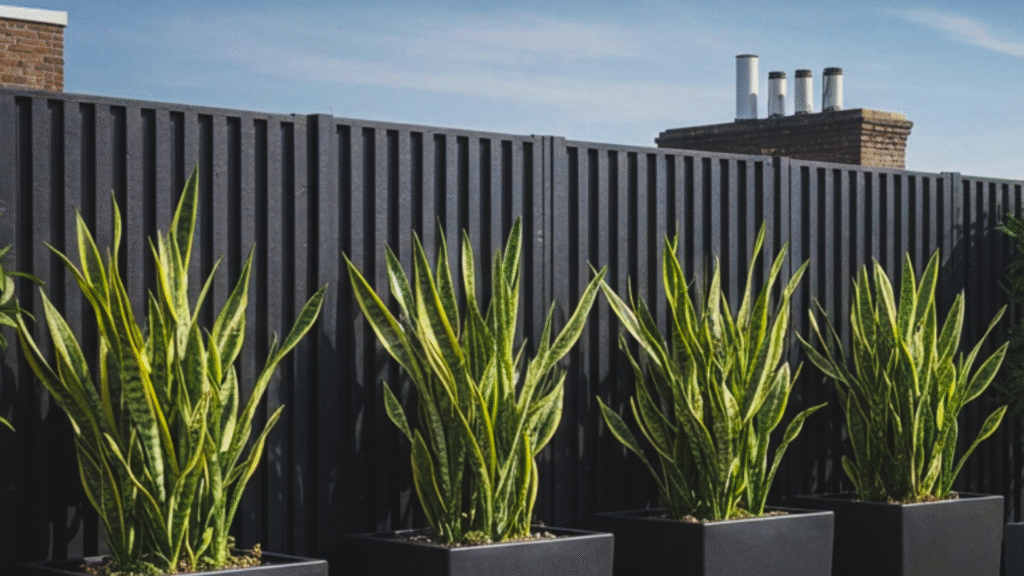
You might also introduce plants like variegated Euonymus or the silvery hues of Lavender Cotton for an extra layer of texture and tone. To amplify these natural contrasts, select containers that frame the palette with purpose – matte black planters provide a grounding base that highlights lighter foliage, while gloss white or even deep charcoal containers echo modern architectural lines and bring out the brilliance of blue- and gold-toned plants.
The key is to create a composition that feels balanced but never flat – playing with opposites that enhance one another in a cohesive and elevated design.
Blending Different Forms & Textures
Pair broadleaf shrubs with fine grasses or ferns for visual rhythm. Variegated foliage adds stripes or speckles that catch the eye, even from a distance. This approach is not only stylish but also replicates natural woodland or meadow aesthetics in controlled compositions.
Layered Evergreen Displays for Impact
Create vertical layering by placing taller trees or conifers in the background with trailing vines or low mounds upfront. This adds depth and fullness even in compact spaces. Try tiered container sets or custom-built planter boxes to maximize this effect – particularly useful in balcony gardens or rooftop installations.
Evergreen Planter Ideas for Various Spaces
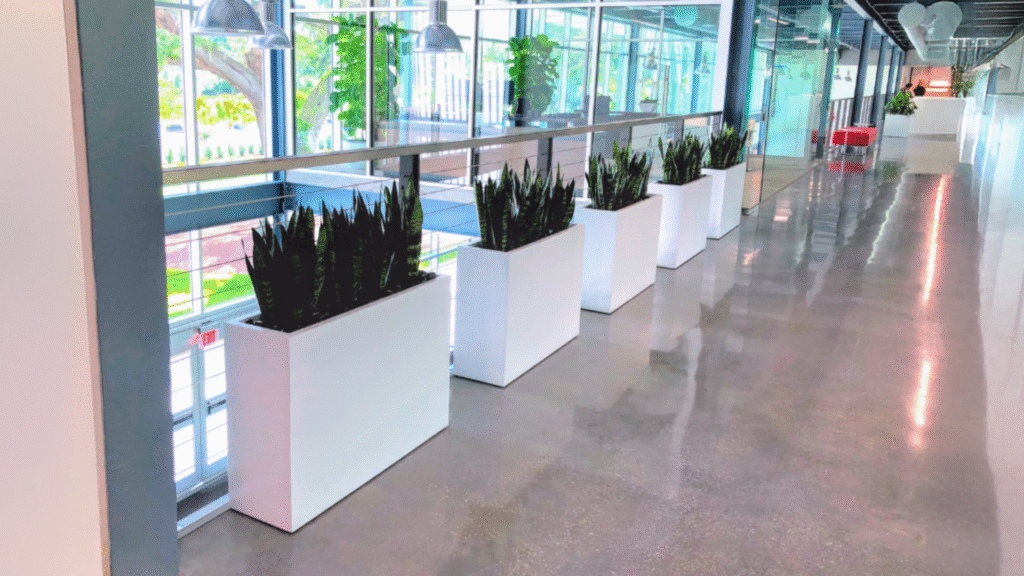
Evergreen planters add personality, definition, and function to any space. Whether you work with limited room or expansive courtyards, there’s a style to match.
Small Spaces & Balconies
Compact planters with columnar or narrow evergreens maximize vertical space. For example, columnar yews or narrow junipers fit beautifully on apartment terraces. Use lightweight containers like durable fiberglass planters to simplify installation and relocation.
Patios, Decks & Porches
Use rectangular planter boxes to frame seating areas or divide open spaces. Add spikes of color with seasonal fillers among broadleaf evergreens. Consider weatherproof containers and rust-resistant finishes if exposed to moisture or direct rain.
Entryways & Walkways
Symmetry works well here – flanking doors with matching planters deliver a welcoming and professional look. Use architectural plants like Dwarf Spruce or clipped Boxwood for structure. Include solar lighting or holiday decorations seasonally for added enhancement and visibility.
Frequently Asked Questions About Evergreen Planters
Can Evergreens Survive Year-Round in Containers?
Yes, with the right selection and container care, many evergreens can thrive in pots year-round. It’s crucial to choose species rated with hardiness zones appropriate for your climate.
How Often Should I Repot My Evergreen Plants?
Plan to repot every 2–3 years or when roots circle the container and water begins to drain too rapidly. Use fresh soil and larger pots to encourage better growth.
Which Evergreen Plants Are Most Drought-tolerant?
According to Garden Design, Boxwood, Blue Fescue, and many dwarf conifers excel in low-water conditions. Always check with a local nursery or horticulture expert to match plants with your region’s rainfall and sun exposure.
Inspiring Real-Life Examples from Evergreen Container Gardens

Front Porch Evergreen Planter Ideas
Classic urns with clipped hollies or boxwoods stand out next to brick or colonial homes. Add cascading ivy to soften the sides and complete the look.
Contemporary Evergreen Container Gardens
Modern fiberglass planters work well with strict geometric arrangements using Blue Oat Grass or pencil junipers.
Cottage & Rustic Evergreen Designs
Worn wood barrels with ferns and trailing carex give cozy, relaxed vibes. Combine rich textures and asymmetry for a natural, well-aged appearance.
Buying the Right Evergreen Planters for Your Garden
Selecting the right products ensures durability and style. Some features signal better value and long-term reliability than others.
Quality Indicators & Materials
Look for frost-resistant designs, UV-stable finishes, and reinforced rims. Lightweight fiberglass offers excellent durability and a polished look across seasons.
Use this checklist when considering planters:
- Drainage holes included
- Stable base and shape
- Weatherproof material
- Colorfast UV protection
A Unique Approach to Evergreen Planters
Constant Innovation in Design & Material Selection
At Jay Scotts, our fiberglass planters reflect decades of innovation and industry expertise. Our in-house formulations ensure UV resistance, impact strength, and sleek aesthetic finishes.
Personalized Gardening Recommendations by Expert Horticulturists
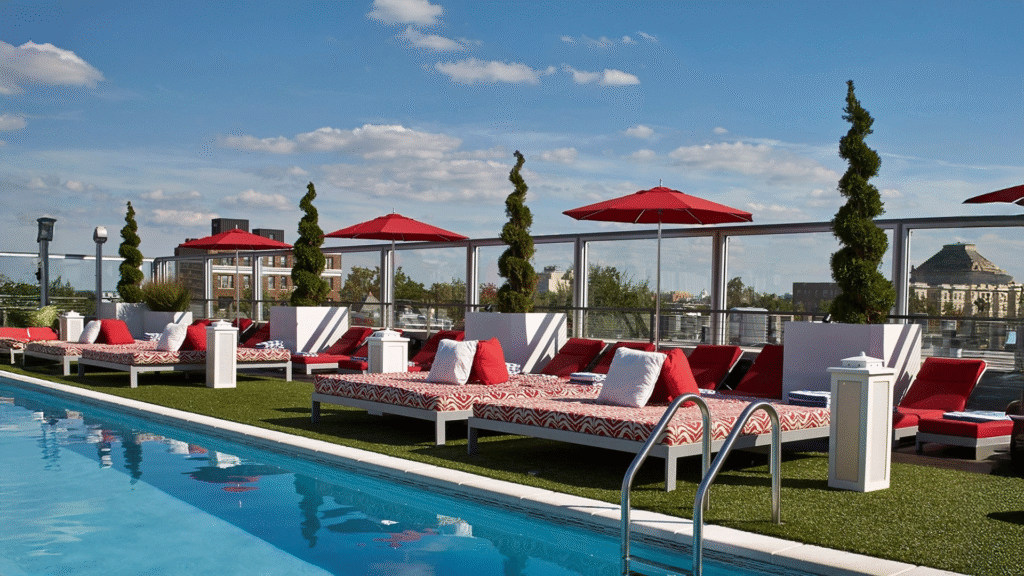
Industry professionals benefit from tailored planting strategies, from species selection to container pairings. Our trade specialists help plan evergreen combinations that thrive in hotel courtyards, rooftop lounges, and grand entryways.
Commitment to Sustainability and Eco-friendly Practices
Jay Scotts is deeply committed to reducing our environmental footprint. We use recyclable materials and energy-efficient production methods while prioritizing low-maintenance, long-life product design.